Back of the Pack

By Jen Smith

Coming to a group run can be intimidating at first. Stepping out of your car, everyone is already chatting away, adjusting shoelaces and gear, knocking out a few dynamic stretches to warm up. But fear not — group runs are all about getting to know other runners in town.

And if you’re a slower runner? Don’t worry. There is always a Back of the Pack club to make sure no one is left behind. Some groups even outlaw the word “slow,” because what might be “slow” for one runner is my absolute sprinting-until-I’m-going-to-vomit pace.

At every Run Wichita group run, there will be a leader to make some announcements, discuss the route and water stops, and hand out maps, if necessary. Usually it is our certified coach, Angela Stateler, but other board members fill in when she can’t make it. That leader also keeps an eye out for new faces and tries to pair the newbie up with others who run at a similar pace. But don’t be afraid to speak up and ask who runs at your planned pace. It’s more fun to have someone to chat with on a run. Or someone to whine and complain with about the cold…or the heat…or the wind…

You don’t even have to run at a group run. I’m still slowly working my way back from some knee issues a year and a half ago, so sometimes I just show up to walk a few miles. Nor do you have to be up for whatever the posted mileage is. Don’t wanna run 10 miles on a Saturday morning? No problem — Angela usually gives suggestions on how and where to shorten a route. Or there’s always the option of doing an out-and-back along the route for whatever mileage you desire.

To find out when and where the group runs are, visit the Run Wichita — Community Group on Facebook or the Member Workouts page on RunSignUp.

And if you’re still worried about being slow, remember — you’re faster than everyone at home on the couch!

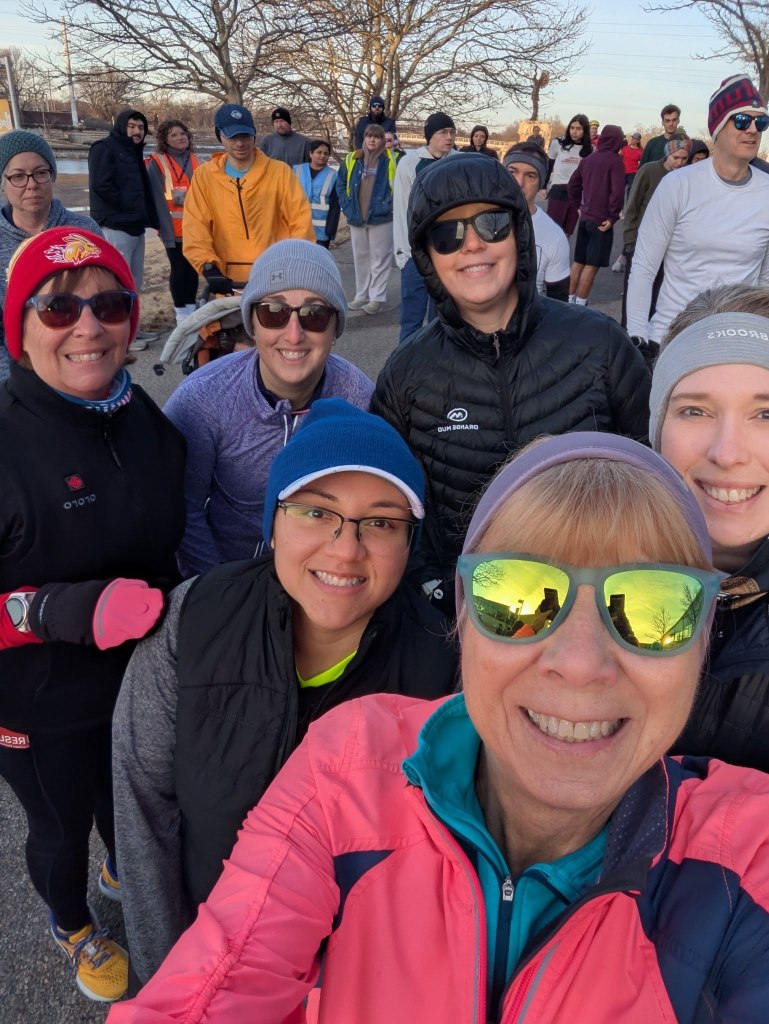
Photo by Terri Vanwey.
My first Annual 4-Mile Super Bowl Sunday Race

By David Abbott

As the calendar turns to February in the wake of the biggest storm of the season, Run Wichita is gearing up for the mid-winter race that will usher in the spring running schedule.

The 34th Annual 4-Mile Super Bowl Sunday Race takes place in the hours before Super Bowl LX, featuring an out-and-back course open to participants of all fitness levels, walkers and runners alike.

David Abbott

It can also serve as an excuse to lounge around in pajama pants later in the day and eat healthy snacks while the Seattle Seahawks take on the New England Patriots for the championship of American football and the coveted Lombardy Trophy.

According to Run Wichita lore, the race began in the late 1980s as the Frozen Nose Four-Mile, sponsored by Mountain High, a now-defunct outdoor sporting goods store near Rock Road and Central Avenue.

The increasingly popular run was halted in the early ’90s, though, when a foot of snow fell on that January day, leading to the cancelation of the event.

The store owners subsequently discontinued the race, leaving an opening in the race calendar. Run Wichita founding members Clark Ensz and Mark Chamberlain decided the race would be a good fit on Super Bowl Sunday, resurrecting it and keeping the 4-mile distance and the Linwood Park location.

This will be my first time participating in one of the iconic events on the Run Wichita calendar in the wake of my return to Wichita last summer. 

Since discovering running in 2012 at the age of 51, I’ve made it a point to join local running organizations to financially support them and get to know the people around me who share my strange obsession with the suffering and elation that is running.

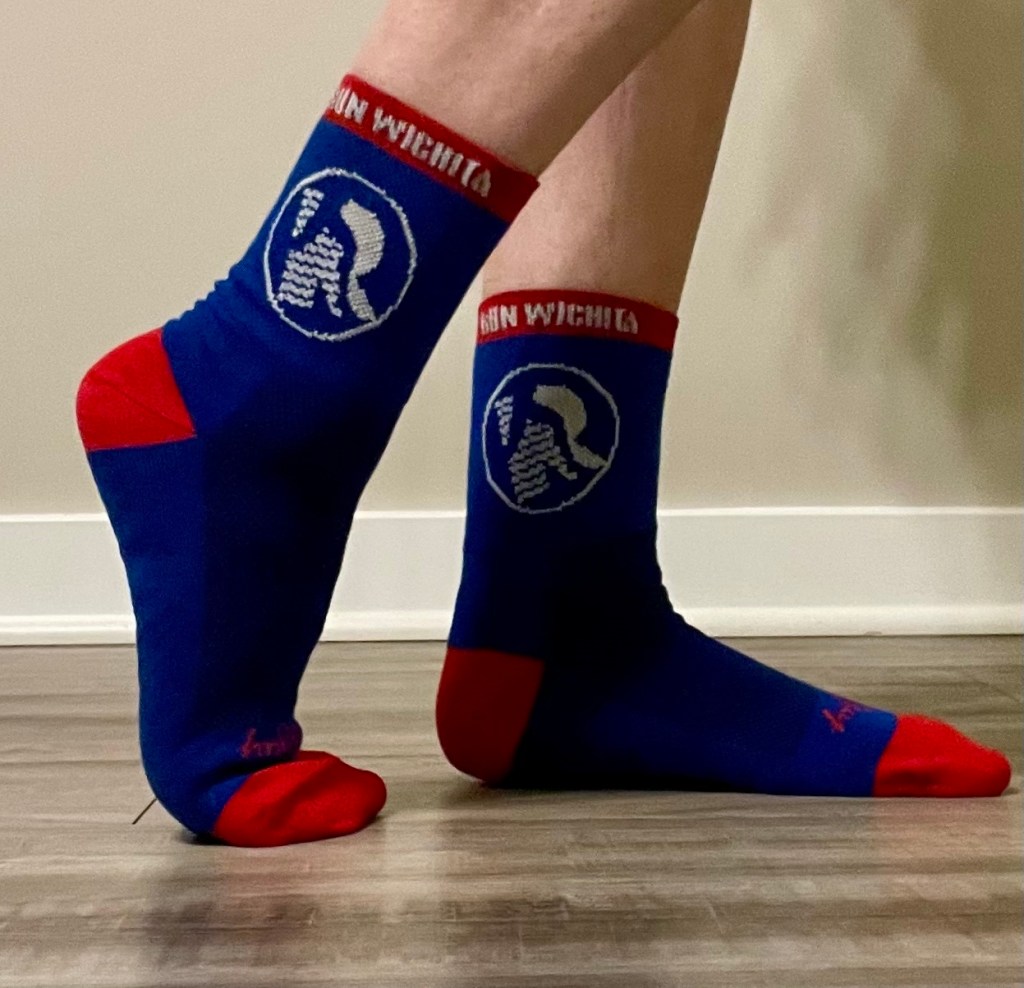
Super Bowl run swag — socks!

For me, every race is an opportunity to further submerge myself in local running culture and participate in a thriving community of dedicated runners of all ages and backgrounds.

As an added bonus, the 4-Mile Super Bowl Race features 50th Anniversary Run Wichita socks, offering another opportunity to get more running-related clothing for those of us who don’t have enough SWAG already.

The 34th Annual 4-Mile Super Bowl Sunday Race takes place at 2 p.m. Sunday, Feb. 8, at Linwood Park, 1901 S. Kansas St. Packet pick-up and in-person registration begins at 12:30 p.m. in the Linwood gym. There will be several merchant booths set up to browse and an opportunity to meet and hang out with other runners before the start of the race. 

For information or to sign up for the 34th Annual 4-Mile Super Bowl Sunday Race, go to www.runwichita.org or click on the link here.

Why Runners Run

Running is more than a sport. It’s a rhythm, a ritual, a release. Ask a dozen runners why they run, and you’ll get a dozen different answers—each deeply personal, yet universally resonant.

Here are a few universal reasons you may hear:

Mental Clarity

Many runners lace up their shoes not just to move their bodies, but to still their minds. The repetitive cadence of footfalls becomes a meditation. In the quiet of early morning or the hush of twilight, running offers a rare solitude—a space to think, to breathe, to reset.

Physical Strength

Running builds endurance, tones muscles, and strengthens the heart. But it also teaches resilience. Every mile conquered is a testament to persistence. Whether training for a marathon or jogging around the block, runners push past limits—proving that strength isn’t just measured in speed or distance, but in the will to keep going.

Community

Running connects people. From local 5Ks to global events like Global Running Day, the sport fosters camaraderie. Runners cheer each other on, share routes, swap stories, and celebrate milestones together. It’s a community built on shared sweat and mutual encouragement.

Purpose

Some run for causes—raising awareness, funds, or hope. Others run to mark personal victories: overcoming illness, grief, or self-doubt. Every runner has a story, and every run adds a new chapter.

Freedom

Running is accessible. No fancy gear required. No membership fees. Just you, your shoes, and the open road. It’s a celebration of movement, of being alive, of choosing your own pace and path.

The reasons we run are as varied as the terrain we cover. But at the core, runners run because it makes them feel more like themselves—stronger, freer, and more connected.

Why do YOU run? Focus on this answer the next time you are struggling with motivation or find yourself having a “bad” run.

Celebrate Global Running Day: 8 Fun Ways to Join

Mark your calendars for Global Running Day on Wednesday, June 4!

Every year, runners around the world lace up their shoes on the first Wednesday in June in a worldwide celebration of movement, motivation, and community. 

Global Running Day is more than just a large-scale group run; it’s a chance to remind ourselves why we run—to feel good, challenge ourselves, connect with others, and sometimes, simply enjoy the fresh air. If you’re wondering how to participate, here are some fun and meaningful ways to celebrate:

1. Go for a Run (Any Distance Counts!)

The simplest way to honor the day is to hit the pavement, trail, treadmill, or track. It doesn’t have to be long or fast—just moving your body in a way that feels good to you is what it’s all about.

2. Join a Local or Virtual Running Event

Check the social media pages for Run Wichita and other local running clubs, or running stores for events planned for Global Running Day. Many organizations also host virtual events, so you can join a global community from wherever you are.

3. Make It Social

Invite a friend, coworker, or family member to run with you—even if they’re new to it. Running together is a great way to build connections and share encouragement.

4. Try a New Route or Terrain

Break out of your routine by exploring a new trail, neighborhood, or park. Changing scenery can make your run feel fresh and exciting.

5. Share Your Run on Social Media

Snap a sweaty selfie or a scenic shot and share it with the hashtag #GlobalRunningDay. You might inspire someone else to join the movement!

6. Reflect on Your Running Journey

Take a moment to journal or post about why you run. Is it for health, peace of mind, competition, or fun? Reflecting on your “why” can deepen your appreciation for the sport.

7. Give Back

Donate to a running charity or volunteer at a local race or running club. You can also gift a pair of running shoes to someone in need through programs with Run Wichita or Girls on the Run Heart of Kansas.

8. Celebrate with a Runner’s Reward

Finish your run with your favorite treat or recovery activity—be it a smoothie, a long stretch, or a nap. You’ve earned it.

No matter how you choose to celebrate, Global Running Day is a great reminder that running is for everyone. Fast or slow, long or short—every step counts. So lace up, get out there, and celebrate the joy of running with millions across the globe.

Happy Global Running Day!

How to Start a Running Streak: Insight for Beginners

Starting a running streak can be an exciting and rewarding challenge. Not only does it help improve your fitness and build discipline, but it also offers numerous benefits such as increased mental clarity, better mood, and a sense of accomplishment. Whether you’re looking to enhance your physical health, enjoy the thrill of saying you’re “streaking,” or simply build a consistent routine, here are some valuable insights from local runners who have successfully maintained their streaks.

Getting Comfortable with the Early Days

One runner shared, “I had to get comfortable with days 1-13… I had to restart often and give myself grace when I did. I got farther when I figured out my reasons why I wanted to streak. Plus I loved saying that I was streakin’ to shock non-runners.” The initial phase can be tough, but understanding your motivations and being kind to yourself when you need to restart can make a big difference.

Starting Slow and Building Up

Another runner advised, “Start slow to make sure your body can handle it. I started with 30 days, then went to 60 days, then 90 days, then 6 months. Then the following year, I set a goal for 1 year. My body seems to like streaking, and I find I get less injuries and get sick less.” Gradually increasing your streak duration helps your body adapt and reduces the risk of injuries.

Setting Goals and Boundaries

Setting clear goals and boundaries is crucial. One runner mentioned, “Set your goal and boundaries ahead of time. For me, my goal was to run at least 1 mile straight every day. After the 1 mile, I didn’t care if I ran or walked. When traveling, I used the time in Wichita as my ‘day’. I may have had a few runs in airports to keep my streak.” Having a minimum daily requirement and being flexible with how you achieve it can help maintain consistency.

Designing Your Streak to Fit Your Lifestyle

A runner who has been streaking for three years shared, “Design yours to work for you. I kept failing when I made it a run-only streak. When I changed to walk or run 1 mile every day, that walking helped me keep my streak going. Those days I had that were really long or my body needed rest; I was able to walk just my mile and feel good.” Tailoring your streak to include walking can make it more sustainable, especially on days when running feels too demanding.

Just Do It

Finally, one runner emphasized the importance of commitment: “It’s not for everyone, but if you decide to do it, just do it. Sometimes it’s easier to decide when you’re going to run, not if. Know your limitations and think about barriers like illness or travel.” Deciding to run every day, regardless of circumstances, can help you stay on track.

Tips for Starting Your Running Streak

1. Understand Your Motivation: Know why you want to start a streak. This will keep you motivated during tough days.

2. Start Slow: Begin with a manageable goal, like 30 days, and gradually increase it.

3. Set Clear Goals: Define what counts as a streak for you. It could be running or walking a certain distance every day.

4. Be Flexible: Allow yourself to walk if running feels too challenging on some days.

5. Plan Ahead: Consider potential barriers like travel or illness and have a plan to overcome them.

6. Commit: Decide that you will run every day and stick to it.

Starting a running streak is a personal journey, and what works for one person might not work for another. The key is to find a routine that fits your lifestyle and keeps you motivated. Happy streaking!

Transitioning to Outdoor Running: Tips & Tricks

Spring is the perfect time to leave the treadmill behind and embrace the great outdoors. But switching from indoor running to unpredictable outdoor terrain requires adjustments to avoid injuries, improve performance, and maximize enjoyment. Here’s a comprehensive guide to making a smooth transition!  

Why Transition to Outdoor Running?

Running outside offers several benefits compared to the treadmill:  

  • Engages stabilizing muscles due to varied terrain  
  • Exposure to fresh air, sunlight, and natural scenery  
  • Helps improve agility, endurance, and mental toughness  
  • Makes workouts more exciting and less repetitive  

However, outdoor running comes with challenges like weather changes, uneven surfaces, and external distractions. Preparing properly can help ease the transition.  

Start Gradually 

If running outside is new to you or if it has been awhile, integrate outdoor runs slowly. Begin by replacing one treadmill session per week with an outdoor run, then gradually increase the frequency. This prevents muscle strain and helps your body adapt.  

Adjust Your Pace Expectations  

Running outdoors often feels harder than running on a treadmill due to wind resistance, elevation changes, and shifting terrain. Don’t worry if your pace is slower at first—focus on effort rather than numbers.  

Find the Right Routes

Select beginner-friendly paths like parks, sidewalks, or well-maintained trails. Steep hills and rugged terrain can be tough if you’re transitioning. Using apps like Strava, Garmin, and others can help locate good running areas.  

Wear the Right Gear

Outdoor conditions require different running gear:  

  • Shoes: Opt for sturdy, weather-appropriate footwear designed for pavement or trails.  
  • Clothing: Dress in layers for fluctuating spring temperatures. Moisture-wicking fabrics help regulate body temperature.  
  • Accessories: Consider sunglasses, a hat, and sunscreen to protect against UV rays.  

Prepare for Seasonal Allergies

Spring in Wichita brings beautiful blooms—but also high pollen counts, especially from trees like oak, maple, and elm. If allergies threaten to derail your outdoor runs, here’s how to manage them:   

  • Checking pollen levels before heading out  
  • Running during lower pollen times (early morning or after rain)  
  • Wearing sunglasses to shield your eyes  
  • Showering and changing clothes post-run to remove allergens  
  • Hydrating to help flush out allergens from your system  

Focus on Running Form  

Treadmills provide flat, controlled surfaces, but outdoor running demands better body mechanics. Keep these key form tips in mind:  

  • Maintain a midfoot strike to reduce joint impact  
  • Keep an upright posture to navigate uneven terrain  
  • Engage core muscles to improve stability  
  • Run with a relaxed stride to avoid tension and fatigue  

Hydration & Nutrition Adjustments  

Unlike treadmill runs, outdoor running doesn’t have a built-in water source. Carry a small water bottle or plan routes near drinking fountains. Also, eat light, energy-packed snacks before running to keep stamina up.  

Enjoy the Journey!

Running outdoors isn’t just about fitness—it’s an opportunity to connect with nature, explore new scenery, and experience fresh energy. With the right precautions, you can enjoy Wichita’s spring running season without sneezing through every mile!  

Scenic Running Paths in Wichita You Must Try

Wichita, Kansas, is a city that offers a variety of scenic and enjoyable running routes for enthusiasts of all levels. Whether you’re a seasoned runner or just starting out, Wichita’s flat terrain and diverse trails provide the perfect backdrop for your fitness journey. Here are some of the best running routes in Wichita:

1. Arkansas River Path

The Arkansas River Path is a signature running spot in Wichita. This wide, paved multi-use path stretches for 10 miles along the banks of the Arkansas River, offering beautiful waterfront views and a serene running experience. It’s perfect for both long-distance runners and those looking for a leisurely jog, like the weekly Exploration Place Parkrun on Saturday mornings!

2. Sedgwick County Park

Sedgwick County Park is a favorite among local runners. The park features several trails that wind through lush greenery and open spaces. It’s an ideal location for a peaceful run away from the hustle and bustle of the city.

3. Riverside Neighborhood

Riverside is a charming neighborhood that sits at the intersection of the Little Arkansas River and the Arkansas River. The area combines scenic river views with well-maintained paths, making it a delightful place for a run. The neighborhood’s parks and paths are perfect for runners who enjoy a mix of urban and natural landscapes.

4. College Hill Neighborhood

College Hill is known for its historic homes and tree-lined streets. Running through this neighborhood offers a unique blend of architectural beauty and shaded paths. It’s a great route for those who appreciate a picturesque and tranquil environment.

5. Prairie Sunset Trail

The Prairie Sunset Trail is an extensive multi-use trail that spans several miles. It provides a more rural running experience, with open fields and scenic views. This trail is perfect for runners looking to escape the city and enjoy the natural beauty of Kansas.

6. Red Bud Trail

The Red Bud Trail is another excellent option for runners. This trail offers a mix of urban and suburban scenery, with well-maintained gravel and paved paths that are suitable for runners of all levels. It’s a great place to explore different parts of Wichita while getting your workout in.

7. Douglas Design District

For a one-of-a-kind running experience, check out the Douglas Design District. This area hosts more than 50 murals, providing an artistic backdrop for your run. It’s a unique way to combine fitness with a cultural tour of Wichita.

8. K-96 Path

This 8-mile bike path east of Wichita runs near the Airport along Route 96. Starting in Chisholm Creek Park, it heads southeast to Crestview Country Club and connects with the Wichita Bike Path. Though close to the highway, it’s mostly quiet and tree-lined, ideal for longer off-road runs. The northern end is the nicest, with well-signed markers.

Tips for Running in Wichita

  • Weather: Be prepared for Wichita’s weather, which can vary significantly. Winters can be harsh, and summer afternoons are often prone to thunderstorms.
  • Transportation: While most travelers choose to drive, Wichita offers other public transportation options, including a bike share program and a free downtown trolley.

Conclusion

Wichita is a fantastic city for runners, offering a variety of routes that cater to different preferences and fitness levels. Whether you prefer running along the river, through historic neighborhoods, or on extensive trails, Wichita has something for everyone. Lace up your running shoes and explore the beauty of this vibrant city!

Hidden Gems: Best Lesser-Known Running Books

Every runner knows the value of a good book—whether it’s for inspiration, training tips, or simply a dose of motivation on those tougher days. While the classics like “Born to Run” and “What I Talk About When I Talk About Running” have their rightful place on many runners’ bookshelves, there’s a treasure trove of lesser-known titles that are steadily gaining popularity and offering fresh insights into the world of running.

In this week’s blog post, we’re shining a spotlight on some of these hidden gems. From personal memoirs and scientific explorations to humorous takes and gripping narratives, these books provide a diverse array of perspectives that can enrich your running journey. So, if you’re looking to expand your reading list and discover new sources of inspiration, read on to find out more about these captivating reads!

Here are some lesser-known running books that are gaining popularity:

Let Your Mind Run by Deena Kastor

Olympic medalist Deena Kastor shares her personal journey of transforming her mindset to become a champion. This book offers valuable insights into the mental aspects of running and how a positive mindset can lead to success.

The Rise of the Ultra Runners by Adharanand Finn

This book explores the world of ultra running, delving into the motivations and experiences of athletes who push their bodies to the extreme. Finn’s captivating narrative provides a deep understanding of the ultra running community.

Running with the Buffaloes by Chris Lear

Chris Lear follows the University of Colorado cross-country team through an unforgettable NCAA season. The book offers a riveting look inside the triumphs and heartaches of a perennial national contender and the men who strive for excellence.

Endure by Alex Hutchinson

Sports science journalist Alex Hutchinson delves into the fascinating world of human endurance, debunking myths and shedding light on the true potential of the human body. This book is perfect for those looking to push their limits and explore the science behind endurance.

The Terrible and Wonderful Reasons Why I Run Long Distances by Matthew Inman

Matthew Inman provides a humorous and relatable exploration of the motivations behind long-distance running. This book offers a lighthearted yet insightful look at why people willingly subject themselves to the grueling challenges of running.

Slow AF Run Club by Martinus Evans

Martinus Evans has run eight marathons despite weighing over 300 pounds. In his book, he offers a practical guide and celebration of running for individuals of all sizes and athletic abilities. He covers everything from gear and nutrition to training schedules and recovery tips, emphasizing the importance of embracing the body you have and finding joy in movement, with humor and essential advice. 

This list was compiled from recommendations from runners, coaches, and authors, ensuring that the books listed are highly regarded in the running community. These books offer fresh perspectives and inspiring stories that are sure to resonate with runners of all levels.

What other books would you add to this list?

Can you stretch too much?

From school age, we are taught that stretching is an important part of physical activity to prevent injury and help us perform better. But is it possible to stretch too much? We asked Chris Burnett, strength and running specialist at True Physical Therapy, to weigh in on the importance of stretching for runners and how to make sure it’s effective.  

Dynamic vs Static stretches

First, let’s define the main types of stretching that are beneficial to runners. Dynamic stretching is controlled movement in and out of positions, instead of holding it in place. These stretches are to wake up your muscles and prepare your body for the workout. Static stretches are those bend-and-hold type of stretches you may be most familiar with and are best served after the workout is complete.

While both types of stretches are beneficial, they should be done with intention. “You don’t want to stretch just for stretching sake,” Chris says. “Sometimes we think that if we do this long, drawn-out stretching program that it will reduce our risk to injury, and the research doesn’t necessarily back that theory up.”

If you have areas that are tight and maybe need a little extra work, it won’t hurt to spend a little more time focusing on those areas. The biggest thing is to get your heart rate up, get the blood flow going and then use your stretches, especially during the warm-up, as a check-in with yourself to gauge how you’re feeling and if there’s any issue to address.

Focus areas for runners

When it comes to stretching, you want to think of going from the top down. In addition to your warm-up and cool down routines, there are some areas that Chris says runners should always include.

  • Hip extensions: movements that open up the hip joint; stronger hip extensor muscles can help you move more powerfully and prevent injury
  • Ankle dorsiflexion: pointing your toes up toward your shins; this helps your foot absorb the shock of landing
  • Thoracic rotation: upper back mobility exercises such as side bends and seated rotations

“We don’t think of thoracic rotation with running, but there’s a little bit of that to counterbalance the hips when we run,” said Chris.

Another focus area that is often overlooked is the big toe. “Your big toe needs to be able to bend when you push off, so you need to be able to have good motion there.”

It’s important for runners to find the right balance when it comes to stretching and listen to their body. If you’d like to reach out to Chris to learn more about True PT or strength training, contact him at chris@trueptwichita.com  or 607-743-9560.