Why Runners Run

Running is more than a sport. It’s a rhythm, a ritual, a release. Ask a dozen runners why they run, and you’ll get a dozen different answers—each deeply personal, yet universally resonant.

Here are a few universal reasons you may hear:

Mental Clarity

Many runners lace up their shoes not just to move their bodies, but to still their minds. The repetitive cadence of footfalls becomes a meditation. In the quiet of early morning or the hush of twilight, running offers a rare solitude—a space to think, to breathe, to reset.

Physical Strength

Running builds endurance, tones muscles, and strengthens the heart. But it also teaches resilience. Every mile conquered is a testament to persistence. Whether training for a marathon or jogging around the block, runners push past limits—proving that strength isn’t just measured in speed or distance, but in the will to keep going.

Community

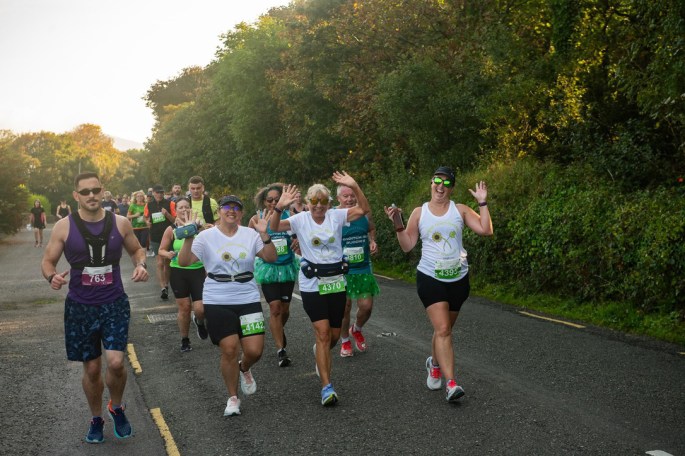
Running connects people. From local 5Ks to global events like Global Running Day, the sport fosters camaraderie. Runners cheer each other on, share routes, swap stories, and celebrate milestones together. It’s a community built on shared sweat and mutual encouragement.

Purpose

Some run for causes—raising awareness, funds, or hope. Others run to mark personal victories: overcoming illness, grief, or self-doubt. Every runner has a story, and every run adds a new chapter.

Freedom

Running is accessible. No fancy gear required. No membership fees. Just you, your shoes, and the open road. It’s a celebration of movement, of being alive, of choosing your own pace and path.

The reasons we run are as varied as the terrain we cover. But at the core, runners run because it makes them feel more like themselves—stronger, freer, and more connected.

Why do YOU run? Focus on this answer the next time you are struggling with motivation or find yourself having a “bad” run.

Back to School Snacks: Time to Stock Up on Running Fuel!

As the school year kicks off, stores are brimming with deals—not just on notebooks and backpacks, but also on snacks. For runners, this is the perfect time to refresh your fueling strategy and stock up on nutritious, energizing bites that support your training.

Why Back-to-School Season Is Prime for Runners

Back-to-school promotions often include bulk discounts on healthy snacks, lunchbox staples, and portable foods. Whether you’re training for a fall race or just getting back into a routine, this is your chance to grab high-quality fuel without breaking the bank.

Top Running Snacks to Grab During Back-to-School Sales

These snacks are often discounted at major retailers like Target, Walmart, Costco, and Whole Foods during August and early September:

Energy & Protein Boosters

  • Granola Bars (e.g., Nature Valley, KIND, RXBAR): Great for pre-run fuel or post-run recovery.
  • Peanut Butter Crackers: Portable and satisfying, though best for post-run due to higher fat content.
  • Trail Mix: Look for mixes with nuts, seeds, and dried fruit—skip the candy-heavy ones. You can also buy them in boxes of individual packages, perfect for carrying during your run.

Fresh & Portable Produce

  • Bananas: Easy to digest and rich in potassium—ideal before or after a run.
  • Mandarin Oranges: Hydrating and mess-free.
  • Apples with Nut Butter: A classic combo for sustained energy.

Hydration Helpers

  • Coconut Water: Natural electrolytes without added sugars.
  • Chocolate Milk: A proven recovery drink with the right carb-to-protein ratio.
  • Hydration drink packs: great option to carry and add to your water bottles.

Smart Shopping Tips

  • Use shopping apps or website flyers to find local deals on snacks and groceries.
  • Check warehouse clubs and dollar stores for bulk snack packs—perfect for stocking up.
  • Look for school lunchbox-friendly items that double as great running fuel (e.g., string cheese, mini jerky, protein waffles).

Pro Tip: Think Like a Student

Just like kids pack snacks for energy between classes, runners need fuel between miles. Treat your pantry like a locker—stock it with smart, satisfying options that keep you going.

Happy snacking!

Boost Your Summer Runs with Inspiration and Mantras

Summer is upon us and the temperatures are already forecasted to be high and humid. This is also when many runners begin their training for fall races. The heat can be relentless, and the journey can feel long, but the right mindset can make all the difference. One powerful tool to keep you motivated and focused is the use of mantras and inspirational quotes. Here’s how you can incorporate them into your summer training routine.

The Power of Mantras

Mantras are short, powerful phrases that you repeat to yourself to stay focused and motivated. They can help you push through tough moments, maintain a positive mindset, and keep your goals in sight. Here are some tips on using mantras effectively:

  1. Choose Personal Mantras: Select phrases that resonate with you personally. It could be something as simple as “I am strong” or “Keep moving forward.”
  2. Repeat Regularly: Use your mantra during challenging parts of your run, such as uphill climbs or the final stretch. Repetition helps reinforce the message.
  3. Stay Positive: Ensure your mantra is positive and empowering. Avoid negative words or phrases that might undermine your confidence.

Inspiring Quotes to Keep You Going

Quotes from experienced runners and motivational figures can provide a boost of inspiration when you need it most. Here are some of my favorites:

  • “Run when you can, walk if you have to, crawl if you must; just never give up.” – Dean Karnazes
  • “The will to win means nothing without the will to prepare.” – Juma Ikangaa
  • “The miracle isn’t that I finished. The miracle is that I had the courage to start.” – John Bingham
  • “Put one foot in front of the other, and soon you’ll be crossing the finish line.” – Unknown

Integrating Mantras and Quotes into Your Training

  1. Daily Reminders: Write your favorite quotes and mantras on sticky notes and place them where you’ll see them often – on your mirror, fridge, or even your running shoes.
  2. Visualization: Before your run, take a moment to visualize yourself succeeding. Repeat your mantra and imagine yourself overcoming obstacles.
  3. During Runs: When you hit a tough spot during your run, repeat your mantra or recall a favorite quote. Let it drive you forward and remind you why you’re training.
  4. Post-Run Reflection: After your run, reflect on how your mantra or quote helped you. This reinforces its power and prepares you for the next challenge.

Conclusion

Training for fall races during the summer can be tough, but with the right mindset, you can turn the heat into an ally rather than an adversary. Mantras and inspirational quotes are powerful tools to keep you motivated, focused, and positive. Choose the ones that resonate with you, integrate them into your routine, and let them guide you through your training journey.

Remember, every step you take brings you closer to your goal. Keep moving forward, stay strong, and never give up. Happy running!

How to Organize a Group Trip for Destination Races

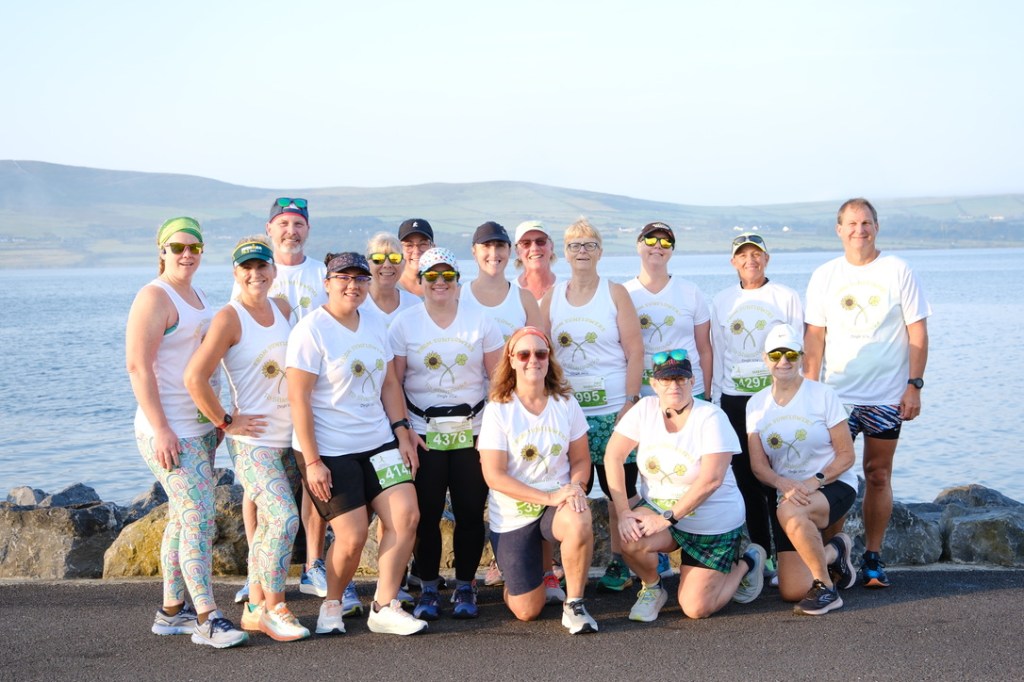
Traveling and racing are both exciting adventures on their own—imagine combining them! If your 2025 running goals include a destination race with friends, this blog post is for you. Run Wichita connected with local runner Jen Smith, who recently organized a 10-day trip to Ireland for 19 people to run the Dingle Half Marathon. Read on for Jen’s valuable insights, tips, and recommendations on how to plan an unforgettable racecation with your friends!

Content provided by Jen Smith

Plan ahead. FAR ahead. 

I’d had my eye on the Dingle race since my family went to Ireland 10 years ago and was in the town of Dingle right around race time. Once I started getting serious about it, I followed the race’s social media accounts. That clued me in that the race would sell out fast. About 18 months before race day, I floated the trip idea to my running friends to gauge interest and get a tentative head count.

Start with a rough plan before presenting it to your running buddies. 

I had the framework of the trip planned out early on — which airport I wanted to fly in and out of, which towns I wanted to visit and for how many nights, travel dates, etc. Without this framework, trip planning could have gotten out of hand (“I wanna go here.” “I don’t wanna do that.” “Hey, what about also going to…”). It also makes budgeting easier, but build some padding into that budget — there’s always an unexpected expense or two.

Reach out to the race director. 

Since I knew how fast the race would sell out, I emailed the organizers three months before the 2023 race to ask about guaranteed entries. I had enough interested people to meet their requirements, so we were able to register the day before the 2024 signups opened to the general public. Which was good — the half marathon sold out in 36 hours!

Set financial deadlines and don’t be afraid to nag the heck out of everyone. 

With such a large group, I decided to handle the hotel and tour reservations myself, collecting payments from everyone, while each person booked their own flights (although I recommended specific options). I gave everyone plenty of advance notice about payment deadlines and amounts and followed up with anyone who missed the deadline (giving a couple of weeks of grace because life gets busy…but eventually, you gotta poke people). I asked for an initial deposit early, then about half of the remaining balance was due six months before the trip, and the final payment due two months before departure. These deadlines were based on when I had to pay for things — some of the hotels had me pay at booking, others a month before check-in, and some upon arrival. I created a master document or spreadsheet to track all the firm expenses (hotels, transportation, tours/events), the cost breakdown per person for each item, and a record of who paid what and when. 

Get contact info for everyone early on. 

This made follow-ups easier. I created a private Facebook group for planning and announcements, but since not everyone is on social media all the time, I wanted a backup method to reach people if necessary.

Don’t skimp on travel time and layovers.
Especially for international trips, it’s essential to allow for extra layover time and arrive a day or two ahead of the race. You don’t want to risk missing the race due to aircraft mechanical issues or weather delays. For the Dingle race, we flew out on Wednesday and arrived in Ireland on Thursday, which turned out to be a great plan (the race was on a Saturday). A few participants faced travel issues and didn’t arrive in Ireland until Friday, so having that extra buffer was a lifesaver.

Book directly with the airline and hotels.
Avoid relying on third-party travel sites. While resources like Expedia, Hotels.com, and Google Flights are useful for researching options, I strongly recommend booking directly through the airline and hotel. If problems arise, these third-party sites offer little support for rebooking, and the airline or hotel may not be much help either. It might seem like a good way to save money, but it’s not worth the stress. One couple on my trip booked their flights through a third-party site, only to have their return flight canceled two weeks before departure. They couldn’t find an alternative through the site and had to cancel and rebook flights to and from Dublin—meaning they also had to rent a car to reach Dingle.

Plan most sightseeing after the race.
You don’t want to tire your legs out before the big day! Save most of your sightseeing for after the race so you can enjoy the sights without worrying about fatigue.

Allow for some unstructured time.
Everyone has different interests and travel styles. We had a free day in Dingle, which gave everyone the flexibility to explore. Some went on distillery tours, others hiked, some tried falconry, and a few joined boat tours around Dingle Harbor and the coast. It’s great to leave room for spontaneous adventures!

Finally, take a deep breath and enjoy the trip.
This is your vacation too, so don’t stress! The trip should be memorable for the fun and experiences you had, not because you were overwhelmed and stressed out. So relax, enjoy the journey, and make lasting memories—without crying into your Guinness at the pub every night.

Thank you Jen!!

Run Wichita is grateful to Jen for providing this wealth of knowledge from her trip! Her insights and tips will undoubtedly help others plan their unforgettable racecations. Whether you’re running across the globe or exploring a new destination with friends, the right preparation can turn your race into a truly memorable adventure. So, start planning, stay organized, and most importantly, enjoy every moment of your journey—both on and off the racecourse!

About Jen Smith

Jen has been running for about 12 years. Her biggest accomplishments are finishing the Dopey Challenge, Pikes Peak Ascent, Quad Keyah, and the New York City Marathon twice. The Dingle race was her 42nd half marathon (despite knee surgery this past summer). Although she’s an avid traveler, this is the biggest trip she’s organized. 

Give new life to race medals!

Every race medal tells a story of perseverance, dedication, and triumph. For many runners, these medals are cherished symbols of personal achievement, proudly displayed on walls or inside keepsake boxes. But what if these tokens of success could serve an even greater purpose?

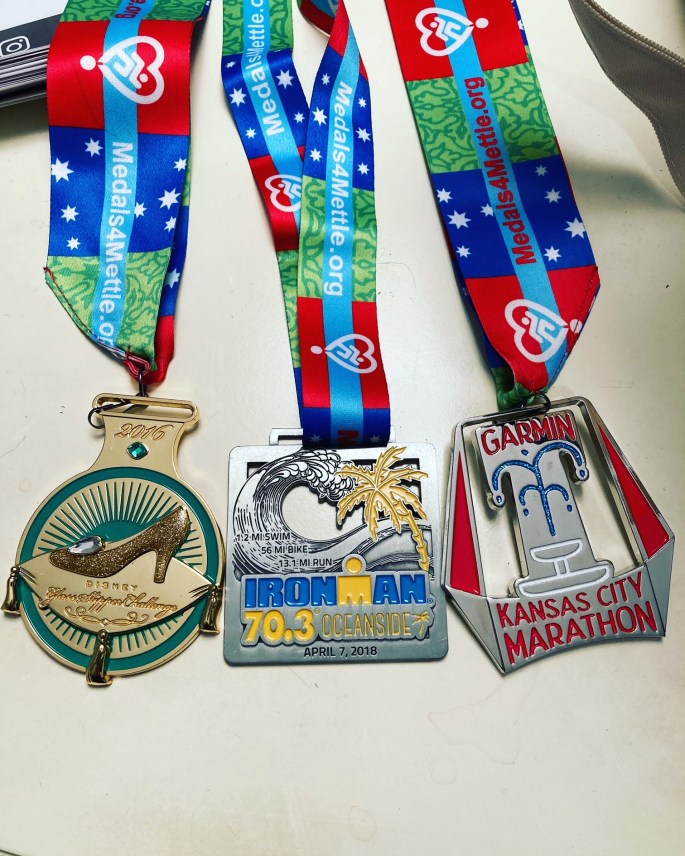
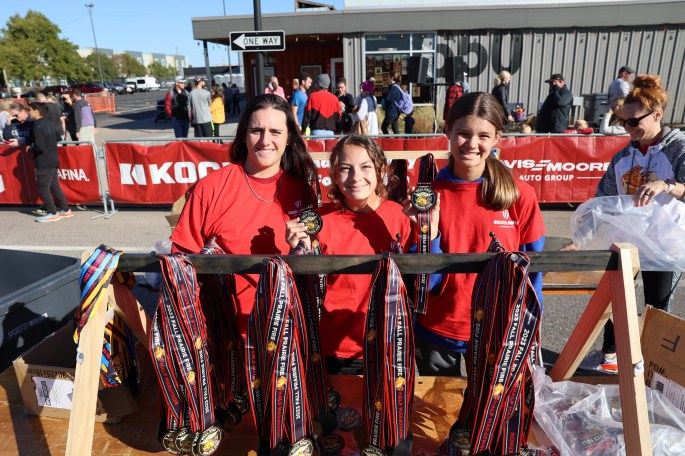
If you have half marathon and longer distance medals, consider donating them to Medals4Mettle. It is an organization that awards donated medals to children and adults with debilitating illnesses and diseases.

About Medals4Mettle

Medals4Mettle was founded in 2005 after Dr. Steve Isenberg ran a marathon and awarded his medal to a dear friend battling cancer. The medal was given as a symbol of the courage and resilience his friend displayed throughout his illness. Since then, this nonprofit organization has awarded thousands of medals worldwide. It partners through area chapters with children’s hospitals, Ronald McDonald House, and children’s camps.

About the Wichita Chapter

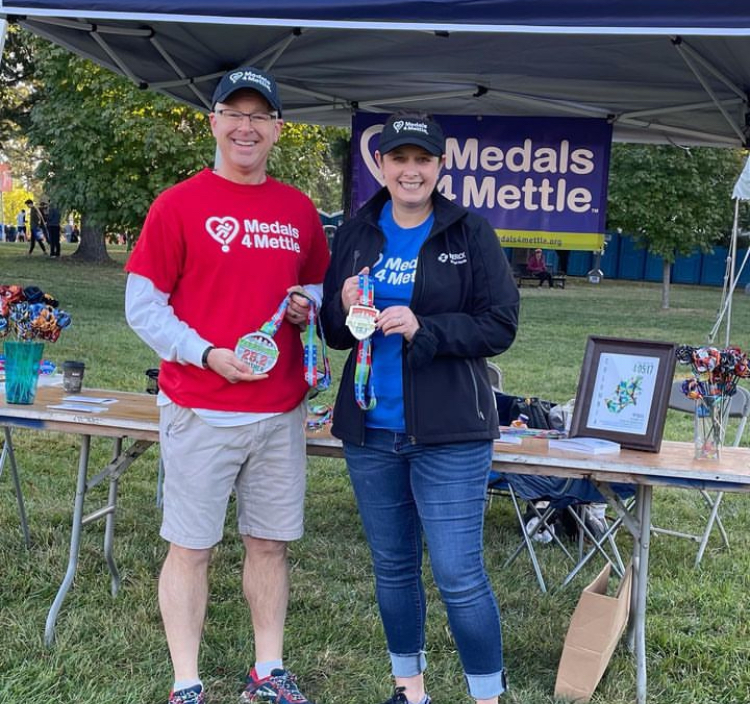
In 2014, Sophia Stepien became the first Kansas recipient of the program. Sophia was then four years old and a new cancer survivor. She was awarded a Disney Princess medal and a White Rock medal, which she was so excited to receive. Sophia’s mother, Tiffany, never forgot the joy those medals brought to her daughter. When the previous coordinator of the Wichita chapter moved away in 2021, Tiffany felt it was an opportunity to revive it and continue its mission.

“COVID shut down so many things. We wanted to get Medals4Mettle back up and running for the Wesley Children’s Hospital patients,” Tiffany said. “Our biggest concern at first was having enough medals to give away. We have formed great partnerships with Fleet Feet and Run Wichita. Because of these partnerships, we have never run out of medals when there are kids to visit.”

Since December 2022, more than 240 medals have been awarded locally and the need continues. Medals are distributed monthly at Wesley Children’s Hospital throughout the various pediatric units like dialysis and physical therapy. The organization also partners with Just a Kid Like Me camp and the Cystic Fibrosis Foundation Great Strides Walk to distribute medals there.

Tiffany has donated many of her own personal medals, as she is a runner herself and a member of Run Wichita. She’s completed seven half marathons to date, but her favorite distance is the 10k. Her favorite races are the Disney Princess races and the Ukrops 10k.

“I could not do this without the support of the Wichita area and running community, including Run Wichita,” Tiffany shared. “Don’t leave those medals piled up in a closet or in a box. Definitely donate them and let them cheer up kiddos and their families!”

Ways to Volunteer

There are several ways you can support this organization:

  • Donate medals at Fartleks Running Shop, Fleet Feet east and west Wichita locations, bring to Exploration Place ParkRun on Saturdays, give them to any Run Wichita board member, or by contacting Tiffany at swrunningmom@gmail.com.
  • Donate funds to cover the cost of ribbons for the medals, which are $2.50 each. Monetary donations can be sent via PayPal to Medals4Mettle.org (put “Wichita Ribbons” in the comments section).
  • Volunteer in person to support larger distribution events so that kids don’t wait in line too long.
  • Follow their Instagram page @medals4mettlewichita for the latest news and information.

Join us in making a difference! Don’t let your medals gather dust. Transform them into sources of inspiration and give hope for children going through some of the toughest times of their lives. Your contribution can bring a smile to a child’s face. Whether it’s a medal, a donation, or your time, it provides much-needed encouragement. Let’s turn our personal victories into collective triumphs and spread love, kindness, and encouragement to those who need it most.

Join Us as a Volunteer at the 45th Prairie Fire Marathon

We are thrilled to announce that the 45th Prairie Fire Marathon (presented by Davis-Moore) is just around the corner, and we need YOU to make it a success! This year, runners from 40 states will participate in either the Mayor’s Friendly 5k, half marathon or full marathon, with nearly 1500 local participants joining. If you’re not one of the participants, volunteering is a great way to support this national event in our community.

Why Volunteer?

Volunteers have a significant impact on our events. They provide continuous energy, communication and sometimes hope for runners. For many, it’s their first time participating in a race of this distance. Whether it’s a 5k (3 miles), half marathon (13.1 miles) or a marathon (26.2 miles), a volunteer’s words of encouragement provide energy, comfort and hope to keep moving.

Volunteer Roles

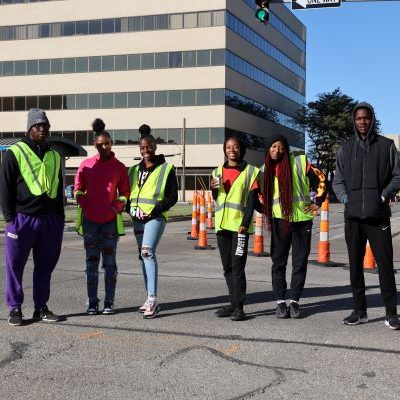
The greatest need is for Course Monitors. These volunteers will be positioned at intersections and key points along the course to keep the runners safe, guide them in the right direction, and cheer them on.

Other priority volunteer opportunities include:

  • Packet Pickup & Registration: Distribute bibs and t-shirts to runners and help with registration the day before the race.
  • Start Line Setup: Help set up the start/finish line including fencing, water barrels and signage.
  • Start Pacer Signs: Help organize runners by pace and hold up signs with designated paces. After race starts, help with other tasks as needed.
  • Water Stations: Keep our runners hydrated and motivated throughout 9 water stations.
  • Finish Line Medical: Part of the medical team at the finish line to help runners after the race. Shirts provided by Select Physical Therapy.
  • Post Race Start/Finish Pickup: Help clean up the Start/Finish line, take down fencing, empty water barrels, put items into storage.

How to Sign Up

Signing up is easy! Simply click here to be taken to the Volunteer Registration Page and select one of the tasks listed above or any other opportunity listed. Basic computer knowledge is required for registration and packet pickup, but the team will provide all the necessary support to ensure you are prepared for your role. Most shifts are no longer than 4 hours. Volunteers must sign up by October 10.

Perks of Volunteering

All volunteers receive a shirt and 50% discount on another Prairie Fire or Turkey Trot event in the next year. Non-profit groups, college and high school organizations receive $10 for each volunteer.

Join the Fun!

Volunteering at the marathon is not just about helping out; it’s about being part of a vibrant community event. You’ll get to experience the excitement of race day, cheer on the runners, and make new friends along the way.

Don’t miss out on this incredible opportunity to be part of something special. Sign up today and help us make this year’s race series the best one yet!

For more information, please visit prairiefiremarathon.com.

We can’t wait to see you there!

Behind the Starting Line: How to Organize a Race

Race day can bring a lot of excitement, the adrenaline rush of the crowd, the pulsating music, and just an overall electrifying atmosphere. You ever wonder how much work is put in before the runners get to the starting line? From securing permits and sponsors to mapping out the course and ensuring participant safety, each step plays a crucial role in creating a memorable race day.

Karlee Rose, president of Run Wichita, gives us a glimpse behind the scenes into what makes races like our annual Moonlight Madness come to life for our local running community.

How far in advance should planning start?

KR: It depends on the race. For Run Wichita races, discussions start about 5-6 months in advance. For races that are more than a “fun run” and have a large attendance, 12 months would be the least.

How much does it cost to put on a race?

KR: The cost can vary depending on the purpose of the race, the swag, and the size of the event, so the larger the race, the higher the registration cost. Registration fees are typically the primary source of funding, unless you get sponsorships. For Run Wichita races, we focus on the community aspect of the races and covering the race costs. Races that want to gain profit or raise money for charity will need to have a higher registration fee or larger sponsorship. Early bird pricing for events encourages people to sign up in advance. For larger cities, this is up to a year in advance, but local races will open 3-6 months before race day.

How do sponsorships help?

KR: Partnerships and sponsorships can help a race financially or give services, products, volunteers, increase promotion, or whatever your race needs. For a race to grow in any way, partnerships and sponsors are needed. Our running community is very good at creating partnerships and helping each other out where we can.

How do you choose a race location and course?

KR: There are so many aspects that go into the decision: distance, terrain, scenery, road closures, and permits needed. Ideally, you want to choose a location that hasn’t been overused with past races. You can also get a course to be certified for other events, which a timing company will help with for a fee. This is why many certified races like to stick with the same course. If any changes are made to the course, even if there is construction, the course must be re-measured and re-certified.

What about the course conditions?

KR: Every race course needs to be checked several times leading up to the race, but specifically on the event day to take care of any needs or unforeseeable happenings, like obstacles. Weather is also a big factor for any race. Race plans should include a weather contingency plan. During the race, it’s important to make sure each participant has a great experience. This means waiting until the last participant crosses the line and making sure they have the same amenities as the first participant to cross the line. Clean up starts after that and it’s helpful to already have volunteers scheduled to help.

Do all races need permits from the city?

KR: Most races (if put on legally) will need to gain permits or permission of some kind. Run Wichita has chosen race locations where we do not need street closure permits, which is helpful. Permits depend on the type of race so if you are trying to organize a race, check with the local government early in the planning process. Races also need to have insurance coverage to protect the company or organizer of the event. All these things take time and money to obtain.

What about promotion and advertising?

KR: Clark Ensz (well-known Wichita race director) once told me that a person must see race information 7 times before they register, so promotion is important. People must know your race exists to sign up. I’ve always believed that word of mouth is the best form of advertising.

Time is important to a lot of runners. How do you time races?

KR: Race timing is a major cost of a race, but time and placement is what most participants want from these events. Timing companies are available and can offer other services for more fees to help free up some time and effort from the race organizers, like race photography, course certification, and results submission on certified courses.

What about medical and hydration stations?

KR: You can never have too many first aid or hydration stations, but the logistics behind it is the hard part. Finding the right location to standup the items, having enough tables, cups, water and fuel, finding volunteers to work the table for the duration you have it set up, and making sure volunteers know how to work an aid station are just a few things to coordinate.

How about the snacks or post-race treats?

KR: Food is my personal favorite part about a race! I think most participants have come to expect some sort of hydration and snack after they cross the finish line. The longer the race in distance, the more food participants expect. This is yet another cost that takes a lot of pre-planning. We chose to have food as a big part of our Moonlight Madness run because it helps bring people together and get to know each other.

Most runners love free swag! How do you decide what to offer?

KR: This is an area that is hard to please everyone. Swag can often draw people to your race to take part or keep them coming back. But no matter what is offered, there will be complaints. Medals are the biggest crowd pleaser and staple for most races. T-shirts used to be the most common race swag, but now you see other apparel items, accessories, or practical and useful giveaways. Run Wichita has tried to stick with current trends for our race swag, but sometimes it’s hard to come up with something unique AND affordable.

Aside from medals, what about age division awards?

KR: I feel like age division recognition is always appreciated by participants. It can be a motivator and source of encouragement, and also keep participants coming back every year. Most races do 10-year divisions others do increments of five. Typically, there is some sort of “prize” that comes with the recognition, so this is another cost to consider. A timing company can sort out the age divisions.

Bathrooms are a must, right?

KR: Every race needs an adequate number of toilets! Sometimes restroom facilities will be available onsite but almost always portable toilets will need to be considered. In general, races should have 1 toilet for every 50 participants, but remember there will also be spectators to consider.

Let’s not forget about the volunteers!

KR: Volunteers are the backbone of a race. Without them, the event doesn’t happen. But getting race volunteers can often be more difficult than participants. I think participants of races are always very good about being kind and showing gratitude to those that take time to volunteer.

Conclusion

Organizing a race requires careful planning and coordination to make sure the event runs smoothly and leaves a lasting impression on participants and spectators alike. Run Wichita would like to offer a big thank you to all our volunteers, partners, and sponsors who supported the Moonlight Madness race and other races within our community. If you’re not running a race, consider being one of the volunteers for an upcoming event and be a part of something special. See you at the starting line!

Should you invest in a running coach?

Tis the season for fall race training! Runners will soon begin preparing for 5ks, half marathons, full marathons, or longer races scheduled for early fall. There are so many ways to train, from online programs, apps, and even programs on our smartwatches. However, some runners may need more motivation and guidance to reach their goals. In some cases, a running coach may be just the answer. How do you know if you should invest in one and when is the right time?

Investing in a running coach is a personal decision based on your needs and financial ability. Runners hire coaches for a variety of reasons, but mainly to get a personalized plan tailored to their goals. That could be increasing speed or endurance, or even stepping into a longer distance, such as moving from a 5k to a half marathon. 

Running coaches are not just for those new to the sport. Seasoned runners can also find coaching beneficial. For those runners whose training has plateaued or whose performance is stagnant, a coach may provide a much-needed boost or expertise to answer questions or discuss new race strategies.

Coaching can be done in private or group sessions. The cost of training plans varies by coach, but there are alternatives if cost is a factor. Angela Stateler, Run Wichita (RW) board member and a certified running coach, serves as the lead for RW’s Tuesday Track Nights and group runs on Thursday and Saturday. She says that although these are group workouts, many aspects are tailored to meet the various levels of the participants.

“Specifically for track night, we have two tailored programs. One for individuals who may be just getting into running or getting back into running. Then there’s a program for those who are more advanced or seasoned,” Angela said. “Sometimes the workouts are similar, and other times the speed is different for the seasoned runner versus the beginner. But it is still a form of coaching because it provides them with what the workouts look like.”

Things to consider:

If you’re thinking about hiring a running coach, here are some things to think about:

  1. Determine your WHY. Do you want to train for your first race or a new distance? Perhaps you want to improve on a previous time? 
  2. Think about WHAT. Is there a specific area or two you want to focus on? For example, maybe you are comfortable with your mileage but need assistance with speed workouts. 
  3. Figure out HOW. How often do you want to have check-ins with your coach? Do you expect to connect weekly, monthly, or as needed?

If you are interested in hiring a coach, visit the About Us section on RunWichita.org for a list of some coaches in our area. More information about Tuesday Track Night and group runs are also available on our website or on Run Wichita’s Facebook page.