
Weird Weather

By Jen Smith

Weather’s weird, ya know?

I don’t just mean the spring severe weather shenanigans that blesses Kansas every year, though that certainly can make it challenging to squeeze a workout in before the thunderstorms flare up.

What’s weird to me is how just a few degrees of temperature variation can mean the difference between a great run and a terrible run. I have a knee that’s still a little cranky two years after a knee scope and it’s been frustrating to be limited to “just” 3 or 4 miles when all my pals are knocking out 8, 10, and more.

But a week ago, it was about 40 degrees on Saturday morning, and I had a glorious 4-mile run. Then I got to thinking back to another great run in March, and Garmin Connect tells me it was in the low 50s that morning. So what gives?

Although studies show mixed results, there is a weak correlation between the weather and joint pain. According to WebMD, it isn’t just the barometric pressure that affects joints, but also the temperature, humidity, and precipitation. The barometer may make tendons, muscles, and scar tissue expand and contract, leading to discomfort. (In a sample size of 1 — me — I can confirm this. 🤣) The synovial fluid in joints also can feel thicker at lower temperatures, making them feel stiffer.

The Orthopedic & Sports Medicine Center of Oregon has information across other weather patterns: 

  • Cold temperatures and joint stiffness: Cold weather reduces blood circulation, making joints and muscles feel tighter. This is particularly common for people recovering from knee replacements, hip replacements, or rotator cuff surgery.
  • Barometric pressure drops and inflammation: When the air pressure outside decreases (like before a storm), tissues inside the joints may expand, pressing on nerves and increasing pain.
  • High humidity and swelling: Warm, humid conditions may trigger fluid retention, leading to additional swelling in the knees, ankles, and wrists.
  • Extreme heat and joint fatigue: Heat waves can dehydrate the body, reducing joint lubrication and leading to stiffness or muscle cramps.

Honestly, we can have all those weather conditions in the same day in Kansas, right?

So it looks like 40-50 degrees is that sweet spot for my knee, and it might be a few months before I get a day like that again. But maybe I’ll get super nerdy this summer with the weather data and how my knee feels on runs to see if I can find more sweet spots. ‘Cause if there’s one thing I know about Kansas, the weather will continue to be weird.
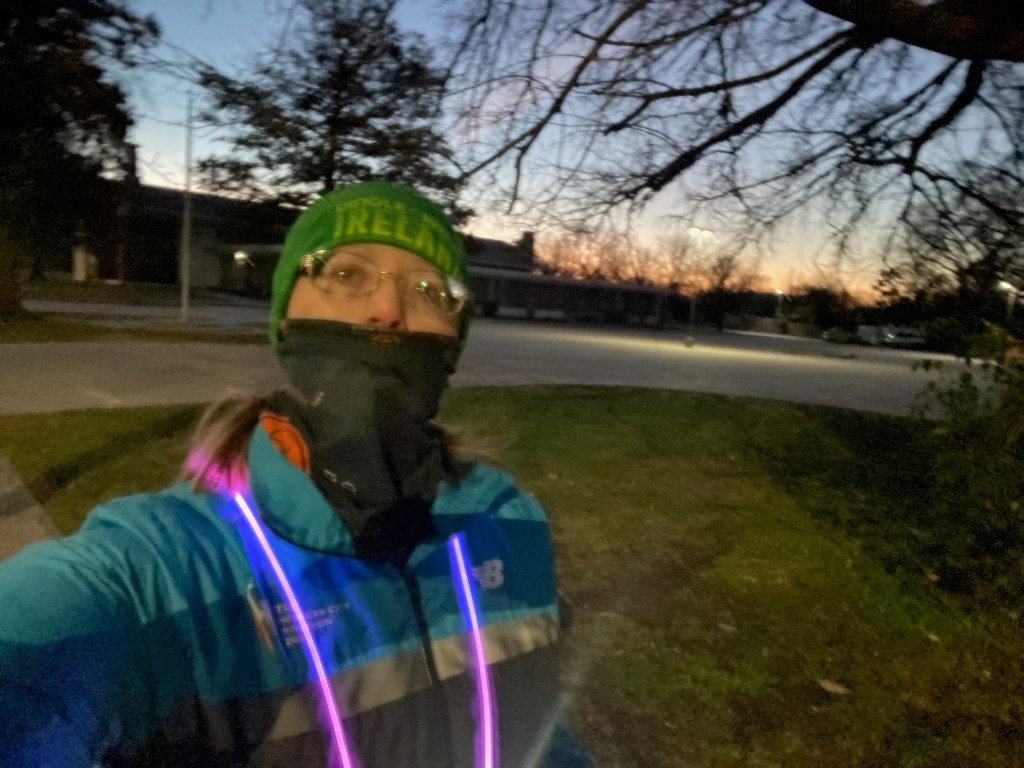

Not from my recent glorious chilly run, but still a chilly run.

Embrace the Chill: Cold Weather Running

As the temperatures drop and the days get shorter, taking extra precautions for your outdoor runs becomes crucial. From your choices in clothing and shoes, to nutrition, to safety measures, it’s important that you take the necessary steps to stay comfortable and safe. Here’s a guide to help you continue your outdoor runs during the colder months.

Why Run in Cold Weather?

Many of us may be “fair-weather runners”, only hitting the pavement when the temps feel just right. But there are countless others who will go for a run, no matter how cold it gets. We asked some local runners to share what they enjoy most about running during this time of year:

  • “I can breathe easier.”
  • “The cool wind and the quiet.”
  • “It’s easier to keep a steady pace without overheating.”
  • “The cold air is refreshing and gives me a burst of energy!”

Running in cold weather offers numerous benefits. It can boost your mood, improve your endurance, and help you burn more calories as your body works harder to stay warm. Plus, you’ll find trails and paths to be less crowded, making for a more peaceful run.

In short, it can be a rewarding experience with the right preparation.

Clothing Choices

When it comes to clothing, layering is key:

  • Base Layer: Choose moisture-wicking fabrics to keep sweat away from your skin.
  • Middle Layer: Insulating materials like fleece help retain body heat.
  • Outer Layer: A windproof and waterproof jacket protects against the elements. Don’t forget accessories like gloves, a hat, and a neck gaiter to protect extremities from the cold.

Footwear

Your normal running shoes are still good to use, but opt for running shoes with good traction for slippery surfaces. Consider trail running shoes if you expect to encounter snow or ice. Waterproof shoes or those with water-resistant uppers can keep your feet dry. Wearing thermal socks can also help keep your feet warm.

Safety

Prioritizing safety is essential as follows:

  • Visibility: Wear bright, reflective clothing to ensure you’re seen by drivers and other runners.
  • Warm-Up: Spend extra time warming up indoors to get your muscles ready.
  • Route Planning: Choose well-lit, familiar routes to avoid hazards.
  • Buddy System: If possible, run with a friend or let someone know your route and expected return time.

Nutrition Tips

Don’t skimp on nutrition when the temperatures drop. Sweat evaporates quickly in cold, dry air, so you may be sweating more than you think. Other tips include:

  • Hydration: Even in cold weather, staying hydrated is essential. Drink water before, during, and after your run.
  • Pre-Run Fuel: Eat a balanced meal with carbohydrates and protein about 1-2 hours before your run.
  • Post-Run Recovery: Replenish with a mix of protein and carbs to aid muscle recovery. Warm beverages like tea or hot chocolate can also help you warm up.

How Cold is Too Cold to Run?

While many runners can safely run in temperatures as low as 0°F (-18°C) with proper gear, it’s important to listen to your body and consider factors like wind chill. The wind chill index determines when conditions could lead to frostbite or hypothermia. If temperatures drop below -20°F (-29°C), it might be best to opt for an indoor workout. Here’s a link to the National Weather Service’s Wind Chill Safety chart with helpful information.

Conclusion

If you’ve never tried fall or winter running outdoors, maybe this is the season to give it a chance. Remember to stay safe, dress appropriately, and enjoy the unique challenges and benefits of winter running!