Holiday Gift Guide: Best Stocking Stuffers for Runners

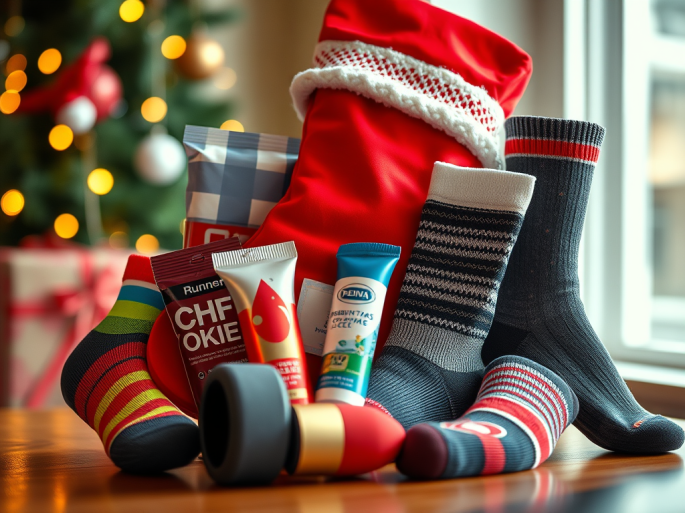
The holidays are the perfect time to show the runners in your life how much you care with stocking stuffers that are both thoughtful and practical. Whether they’re training for a marathon, hitting the trails, or just enjoying their daily runs, there are plenty of small gifts that will enhance their running experience. Here are some stocking stuffer ideas that will put a smile on any runner’s face this holiday season!

1. Compression Socks

Compression socks are amazing when it comes to improving circulation and reducing muscle fatigue. These specially designed socks help with recovery by providing support to the legs and feet after long runs. Many come in fun colors and patterns, and are lightweight, making them a perfect addition to a stocking!

2. Energy Gels and Snacks

Long-distance runners know the importance of fueling during a race or training session. Energy gels, chews, or bars are the ideal stocking stuffers for any runner. Look for varieties that are easy to consume during a run, provide a quick energy boost, and come in delicious flavors. Some popular brands include GU Energy, Maurten, and Honey Stinger. These are sure to keep your runner energized for their next big workout.

3. Reflective Gear

For runners who train in the early morning or late evening, safety is a top priority. A small, reflective vest, ankle bands, or clip-on lights make great stocking stuffers. These items will help them stay visible during low-light conditions, ensuring they stay safe and visible on the road or trail. Bonus points if they come in stylish, bright colors!

4. Foam Roller

A foam roller is a must-have for any runner looking to relieve tight muscles and prevent injuries. While some foam rollers can be quite large, there are smaller, portable versions that can fit perfectly into a stocking. A mini foam roller can be used at home or thrown in a gym bag for post-run recovery, making it an essential tool for any runner’s recovery routine.

5. Anti-Chafe Stick

Chafing is the bane of every runner’s existence. An anti-chafe stick is a great stocking stuffer that provides a quick solution to this uncomfortable problem. It can be applied to common chafing areas such as the inner thighs, underarms, or nipples, helping to prevent irritation and blisters. Look for natural or dermatologist-approved formulas for an extra thoughtful touch.

6. Running Socks

It may seem like a basic gift, but a high-quality pair of running socks can make all the difference. Look for moisture-wicking socks with cushioning, arch support, and seamless toes to reduce blisters and keep feet comfortable during long runs. There are countless designs to choose from, so you can pick socks that match their personality!

7. Headbands or Sweatbands

Sweat can get in the way of a great run, and that’s where a headband or sweatband comes in. These lightweight accessories help keep hair in place and absorb sweat, ensuring runners stay comfortable during their workouts. Choose from a variety of fabrics like moisture-wicking materials, or go for something more stylish with fun designs and colors.

8. Hand Warmers

For runners who brave the cold weather, hand warmers are a thoughtful and practical stocking stuffer. These small packets generate heat and can easily fit in pockets or gloves to keep hands toasty during chilly runs. They’re especially great for early morning jogs or winter races.

9. Hydration Tablets or Drink Mixes

Hydration is key for any runner, and hydration tablets or drink mixes are a convenient way to replenish electrolytes and stay hydrated on the go. Look for electrolyte-rich options that are easy to toss into a bottle of water. Some popular choices include Nuun, Tailwind, and SOS Rehydrate. These products can make a runner’s long run or race much more comfortable.

10. Hydration vest or Running Belt

A running belt or hydration vest helps keep essentials like a phone, keys, and energy gels secure and easily accessible during a run, while preventing bouncing. Hydration vests are especially useful for long-distance runners, offering convenient access to water without the need for frequent stops. Lightweight and moisture-resistant, both options are designed to enhance comfort and performance, making them a great gift for runners at any level.

11. Mini Massage Ball

A mini massage ball is a great way for runners to target muscle knots, especially in the feet, calves, and hips. Small and easy to pack, these massage balls are perfect for relieving tension and aiding in recovery. Some even come with spiky textures that stimulate circulation and break up tight spots in muscles.

12. Running Gloves

Running gloves are a must-have for cold-weather runners, keeping hands warm without overheating. Look for gloves with touch screen fingertips, so they can still use their phone without having to take them off. Some gloves even come with reflective elements for added safety in low-light conditions.

13. Personalized Shoe Tags

Personalized shoe tags can be a fun and functional gift for runners who are always on the go. These tags can be attached to their running shoes and often feature important information, such as emergency contact details, medical conditions, or a fun motivational phrase. They provide peace of mind and can be a great conversation starter!

final thoughts

The holiday season is all about thoughtful gestures, and these stocking stuffer ideas for runners will make any athlete feel appreciated and ready to take on their next challenge. From practical items that improve training to fun accessories that add a personal touch, these small gifts pack a big punch. Whether a seasoned marathoner or just getting started, they’ll love these festive finds that enhance their running journey in the coming year.

Don’t forget to shop local by supporting running stores in our area!

Happy holidays, and happy running!
How to Organize a Group Trip for Destination Races

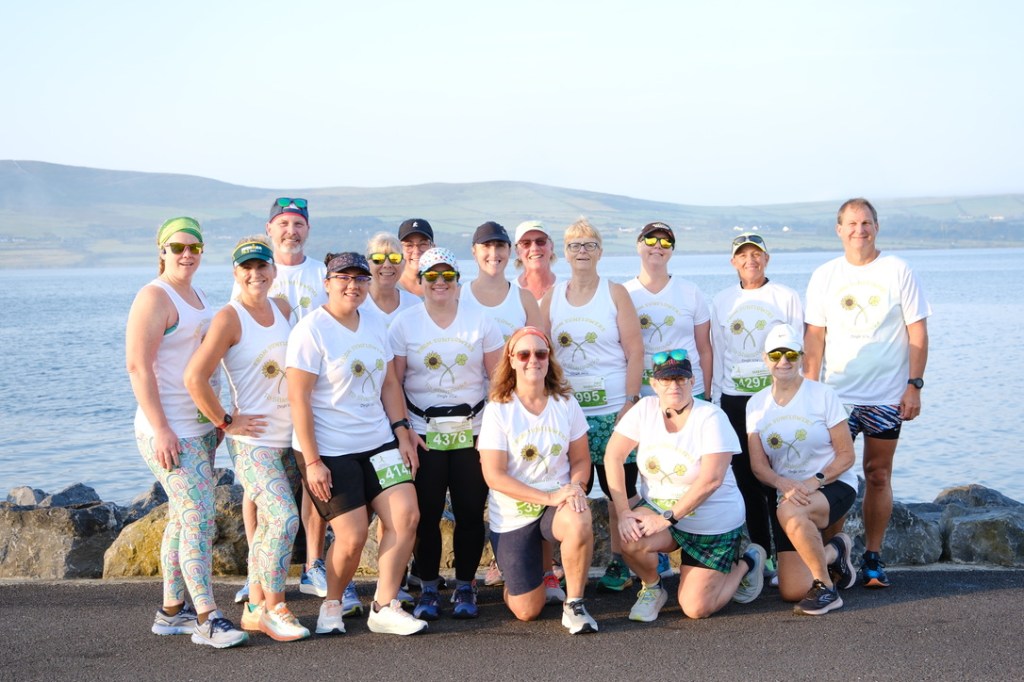
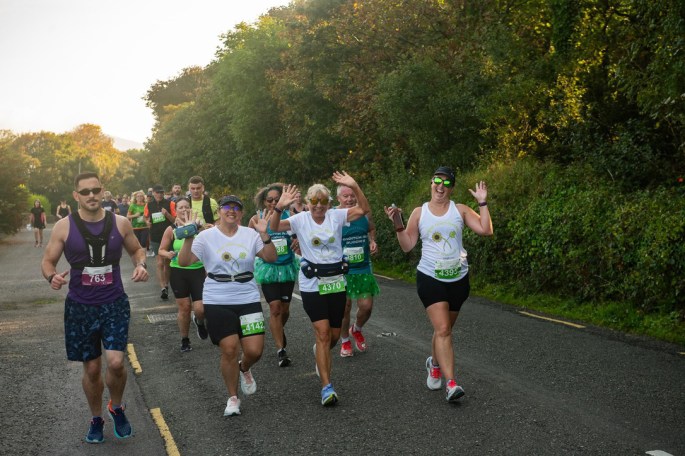
Traveling and racing are both exciting adventures on their own—imagine combining them! If your 2025 running goals include a destination race with friends, this blog post is for you. Run Wichita connected with local runner Jen Smith, who recently organized a 10-day trip to Ireland for 19 people to run the Dingle Half Marathon. Read on for Jen’s valuable insights, tips, and recommendations on how to plan an unforgettable racecation with your friends!

Content provided by Jen Smith

Plan ahead. FAR ahead. 

I’d had my eye on the Dingle race since my family went to Ireland 10 years ago and was in the town of Dingle right around race time. Once I started getting serious about it, I followed the race’s social media accounts. That clued me in that the race would sell out fast. About 18 months before race day, I floated the trip idea to my running friends to gauge interest and get a tentative head count.

Start with a rough plan before presenting it to your running buddies. 

I had the framework of the trip planned out early on — which airport I wanted to fly in and out of, which towns I wanted to visit and for how many nights, travel dates, etc. Without this framework, trip planning could have gotten out of hand (“I wanna go here.” “I don’t wanna do that.” “Hey, what about also going to…”). It also makes budgeting easier, but build some padding into that budget — there’s always an unexpected expense or two.

Reach out to the race director. 

Since I knew how fast the race would sell out, I emailed the organizers three months before the 2023 race to ask about guaranteed entries. I had enough interested people to meet their requirements, so we were able to register the day before the 2024 signups opened to the general public. Which was good — the half marathon sold out in 36 hours!

Set financial deadlines and don’t be afraid to nag the heck out of everyone. 

With such a large group, I decided to handle the hotel and tour reservations myself, collecting payments from everyone, while each person booked their own flights (although I recommended specific options). I gave everyone plenty of advance notice about payment deadlines and amounts and followed up with anyone who missed the deadline (giving a couple of weeks of grace because life gets busy…but eventually, you gotta poke people). I asked for an initial deposit early, then about half of the remaining balance was due six months before the trip, and the final payment due two months before departure. These deadlines were based on when I had to pay for things — some of the hotels had me pay at booking, others a month before check-in, and some upon arrival. I created a master document or spreadsheet to track all the firm expenses (hotels, transportation, tours/events), the cost breakdown per person for each item, and a record of who paid what and when. 

Get contact info for everyone early on. 

This made follow-ups easier. I created a private Facebook group for planning and announcements, but since not everyone is on social media all the time, I wanted a backup method to reach people if necessary.

Don’t skimp on travel time and layovers.
Especially for international trips, it’s essential to allow for extra layover time and arrive a day or two ahead of the race. You don’t want to risk missing the race due to aircraft mechanical issues or weather delays. For the Dingle race, we flew out on Wednesday and arrived in Ireland on Thursday, which turned out to be a great plan (the race was on a Saturday). A few participants faced travel issues and didn’t arrive in Ireland until Friday, so having that extra buffer was a lifesaver.

Book directly with the airline and hotels.
Avoid relying on third-party travel sites. While resources like Expedia, Hotels.com, and Google Flights are useful for researching options, I strongly recommend booking directly through the airline and hotel. If problems arise, these third-party sites offer little support for rebooking, and the airline or hotel may not be much help either. It might seem like a good way to save money, but it’s not worth the stress. One couple on my trip booked their flights through a third-party site, only to have their return flight canceled two weeks before departure. They couldn’t find an alternative through the site and had to cancel and rebook flights to and from Dublin—meaning they also had to rent a car to reach Dingle.

Plan most sightseeing after the race.
You don’t want to tire your legs out before the big day! Save most of your sightseeing for after the race so you can enjoy the sights without worrying about fatigue.

Allow for some unstructured time.
Everyone has different interests and travel styles. We had a free day in Dingle, which gave everyone the flexibility to explore. Some went on distillery tours, others hiked, some tried falconry, and a few joined boat tours around Dingle Harbor and the coast. It’s great to leave room for spontaneous adventures!

Finally, take a deep breath and enjoy the trip.
This is your vacation too, so don’t stress! The trip should be memorable for the fun and experiences you had, not because you were overwhelmed and stressed out. So relax, enjoy the journey, and make lasting memories—without crying into your Guinness at the pub every night.

Thank you Jen!!

Run Wichita is grateful to Jen for providing this wealth of knowledge from her trip! Her insights and tips will undoubtedly help others plan their unforgettable racecations. Whether you’re running across the globe or exploring a new destination with friends, the right preparation can turn your race into a truly memorable adventure. So, start planning, stay organized, and most importantly, enjoy every moment of your journey—both on and off the racecourse!

About Jen Smith

Jen has been running for about 12 years. Her biggest accomplishments are finishing the Dopey Challenge, Pikes Peak Ascent, Quad Keyah, and the New York City Marathon twice. The Dingle race was her 42nd half marathon (despite knee surgery this past summer). Although she’s an avid traveler, this is the biggest trip she’s organized. 

Embrace the Chill: Cold Weather Running

As the temperatures drop and the days get shorter, taking extra precautions for your outdoor runs becomes crucial. From your choices in clothing and shoes, to nutrition, to safety measures, it’s important that you take the necessary steps to stay comfortable and safe. Here’s a guide to help you continue your outdoor runs during the colder months.

Why Run in Cold Weather?

Many of us may be “fair-weather runners”, only hitting the pavement when the temps feel just right. But there are countless others who will go for a run, no matter how cold it gets. We asked some local runners to share what they enjoy most about running during this time of year:

  • “I can breathe easier.”
  • “The cool wind and the quiet.”
  • “It’s easier to keep a steady pace without overheating.”
  • “The cold air is refreshing and gives me a burst of energy!”

Running in cold weather offers numerous benefits. It can boost your mood, improve your endurance, and help you burn more calories as your body works harder to stay warm. Plus, you’ll find trails and paths to be less crowded, making for a more peaceful run.

In short, it can be a rewarding experience with the right preparation.

Clothing Choices

When it comes to clothing, layering is key:

  • Base Layer: Choose moisture-wicking fabrics to keep sweat away from your skin.
  • Middle Layer: Insulating materials like fleece help retain body heat.
  • Outer Layer: A windproof and waterproof jacket protects against the elements. Don’t forget accessories like gloves, a hat, and a neck gaiter to protect extremities from the cold.

Footwear

Your normal running shoes are still good to use, but opt for running shoes with good traction for slippery surfaces. Consider trail running shoes if you expect to encounter snow or ice. Waterproof shoes or those with water-resistant uppers can keep your feet dry. Wearing thermal socks can also help keep your feet warm.

Safety

Prioritizing safety is essential as follows:

  • Visibility: Wear bright, reflective clothing to ensure you’re seen by drivers and other runners.
  • Warm-Up: Spend extra time warming up indoors to get your muscles ready.
  • Route Planning: Choose well-lit, familiar routes to avoid hazards.
  • Buddy System: If possible, run with a friend or let someone know your route and expected return time.

Nutrition Tips

Don’t skimp on nutrition when the temperatures drop. Sweat evaporates quickly in cold, dry air, so you may be sweating more than you think. Other tips include:

  • Hydration: Even in cold weather, staying hydrated is essential. Drink water before, during, and after your run.
  • Pre-Run Fuel: Eat a balanced meal with carbohydrates and protein about 1-2 hours before your run.
  • Post-Run Recovery: Replenish with a mix of protein and carbs to aid muscle recovery. Warm beverages like tea or hot chocolate can also help you warm up.

How Cold is Too Cold to Run?

While many runners can safely run in temperatures as low as 0°F (-18°C) with proper gear, it’s important to listen to your body and consider factors like wind chill. The wind chill index determines when conditions could lead to frostbite or hypothermia. If temperatures drop below -20°F (-29°C), it might be best to opt for an indoor workout. Here’s a link to the National Weather Service’s Wind Chill Safety chart with helpful information.

Conclusion

If you’ve never tried fall or winter running outdoors, maybe this is the season to give it a chance. Remember to stay safe, dress appropriately, and enjoy the unique challenges and benefits of winter running!

Speed Training: Join Our Tuesday Night Track Sessions

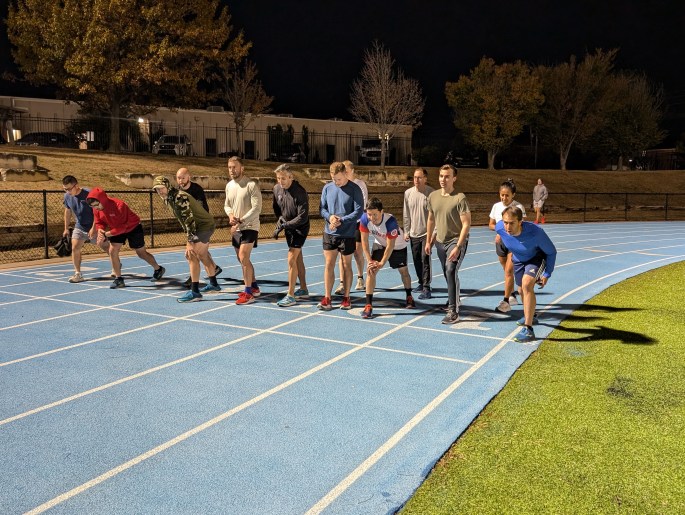
Tuesday nights at the track have long been a staple in our local running community. Many runners swear by these sessions, noting significant improvements in their race day performance. However, that large, numbered oval can be a bit daunting for some. Let’s explore the advantages of speed workouts on the track. We will give you a glimpse of what to expect if you’re considering joining one of these fantastic sessions for the first time.

How Track Workouts Can Improve Your Running:

Track workouts are a fantastic way to enhance your running performance. Here’s how they can help:

  • Improved Running Economy: Speed workouts on the track can make your running more efficient, allowing you to use less energy at a given pace.
  • Better Running Form: Regular track sessions help refine your running form, making you a more effective runner.
  • Increased Strength: The intensity of track workouts builds muscle strength, particularly in the lower body.
  • Enhanced Speed: Consistent speed work improves your overall running speed.
  • Higher Cadence: Track workouts encourage a quicker turnover, which can lead to a more efficient stride.
  • Mental Toughness: Pushing through the discomfort of high-intensity intervals builds mental resilience, crucial for race day.

Typical Workouts at Tuesday Speed Workout:

Run Wichita hosts a Tuesday Speed Workout every week in the evenings at The Independent School in Wichita. These sessions feature a variety of speed workouts, including:

  • Interval Workouts: These involve running for a set distance or time, followed by a rest period. Examples include 400 meter (m) repeats with rest intervals.
  • Ladder Workouts: These build up in distance or time, such as 200m, 400m, 600m, and then back down.
  • Negative Splits: These workouts involve increasing your pace with each interval, helping you finish strong.

Targeted Areas and Mechanics:

Track workouts primarily target the lower body muscles, including:

  • Glutes
  • Hamstrings
  • Quadriceps
  • Calves
  • Hips

Key mechanics that are improved include stride, cadence, foot strike, and overall running form.

Things to remember during a track workout:

  • Hydrate: Make sure to drink water before, during, and after your workout.
  • Stretch and Warm-Up: Don’t skip dynamic stretching, warm-ups, or cool-downs. These are essential parts of each workout.
  • Allow for Recovery: Give your body adequate time to recover after intense workouts.

Lane Etiquette:

  • Stay in Your Lane: Walkers and slower runners should use the outside lanes. Faster runners typically use lanes 1 and 2.
  • Passing: If you need to pass someone, do so on the outside. Avoid passing on the inside.
  • Direction: If running in the opposite direction, use the outside lanes to avoid oncoming runners.

Advice for Newcomers:

If you’re new to track workouts, here are some tips:

  • Familiarize Yourself with the Track: Running on a track feels different from running on a treadmill, road, or trail. Take time to get used to it during your first time.
  • Pace Yourself: It’s okay to run or walk at a pace that feels comfortable for you. Don’t get caught up in the speed of others.
  • Ask Questions: Don’t hesitate to ask for help or clarification about the workouts. Talk to the coach or one of the runners if anything is unclear.

Track workouts can definitely be a game-changer for your running performance. Whether you’re a seasoned runner or a newbie, there’s something for everyone. Join us on Tuesday nights and experience the benefits for yourself!

Run Wichita hosts Tuesday Speed Workouts in the evening every week, weather permitting. For more information, check out our Group Runs section of our website or the Run Wichita – Community Group page on Facebook.

Give new life to race medals!

Every race medal tells a story of perseverance, dedication, and triumph. For many runners, these medals are cherished symbols of personal achievement, proudly displayed on walls or inside keepsake boxes. But what if these tokens of success could serve an even greater purpose?

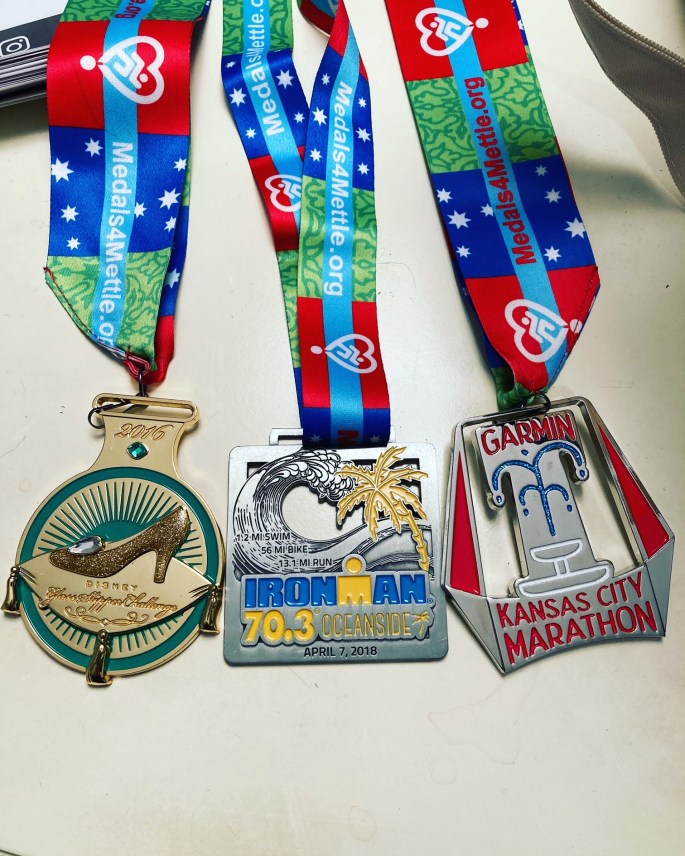
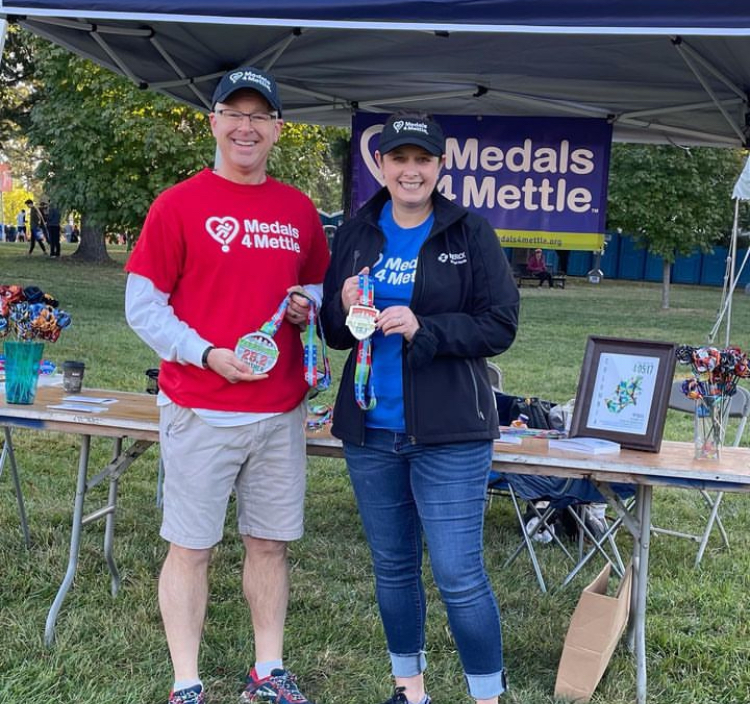
If you have half marathon and longer distance medals, consider donating them to Medals4Mettle. It is an organization that awards donated medals to children and adults with debilitating illnesses and diseases.

About Medals4Mettle

Medals4Mettle was founded in 2005 after Dr. Steve Isenberg ran a marathon and awarded his medal to a dear friend battling cancer. The medal was given as a symbol of the courage and resilience his friend displayed throughout his illness. Since then, this nonprofit organization has awarded thousands of medals worldwide. It partners through area chapters with children’s hospitals, Ronald McDonald House, and children’s camps.

About the Wichita Chapter

In 2014, Sophia Stepien became the first Kansas recipient of the program. Sophia was then four years old and a new cancer survivor. She was awarded a Disney Princess medal and a White Rock medal, which she was so excited to receive. Sophia’s mother, Tiffany, never forgot the joy those medals brought to her daughter. When the previous coordinator of the Wichita chapter moved away in 2021, Tiffany felt it was an opportunity to revive it and continue its mission.

“COVID shut down so many things. We wanted to get Medals4Mettle back up and running for the Wesley Children’s Hospital patients,” Tiffany said. “Our biggest concern at first was having enough medals to give away. We have formed great partnerships with Fleet Feet and Run Wichita. Because of these partnerships, we have never run out of medals when there are kids to visit.”

Since December 2022, more than 240 medals have been awarded locally and the need continues. Medals are distributed monthly at Wesley Children’s Hospital throughout the various pediatric units like dialysis and physical therapy. The organization also partners with Just a Kid Like Me camp and the Cystic Fibrosis Foundation Great Strides Walk to distribute medals there.

Tiffany has donated many of her own personal medals, as she is a runner herself and a member of Run Wichita. She’s completed seven half marathons to date, but her favorite distance is the 10k. Her favorite races are the Disney Princess races and the Ukrops 10k.

“I could not do this without the support of the Wichita area and running community, including Run Wichita,” Tiffany shared. “Don’t leave those medals piled up in a closet or in a box. Definitely donate them and let them cheer up kiddos and their families!”

Ways to Volunteer

There are several ways you can support this organization:

  • Donate medals at Fartleks Running Shop, Fleet Feet east and west Wichita locations, bring to Exploration Place ParkRun on Saturdays, give them to any Run Wichita board member, or by contacting Tiffany at swrunningmom@gmail.com.
  • Donate funds to cover the cost of ribbons for the medals, which are $2.50 each. Monetary donations can be sent via PayPal to Medals4Mettle.org (put “Wichita Ribbons” in the comments section).
  • Volunteer in person to support larger distribution events so that kids don’t wait in line too long.
  • Follow their Instagram page @medals4mettlewichita for the latest news and information.

Join us in making a difference! Don’t let your medals gather dust. Transform them into sources of inspiration and give hope for children going through some of the toughest times of their lives. Your contribution can bring a smile to a child’s face. Whether it’s a medal, a donation, or your time, it provides much-needed encouragement. Let’s turn our personal victories into collective triumphs and spread love, kindness, and encouragement to those who need it most.
Meet the “Slow and Steady” Pacers for Prairie Fire!

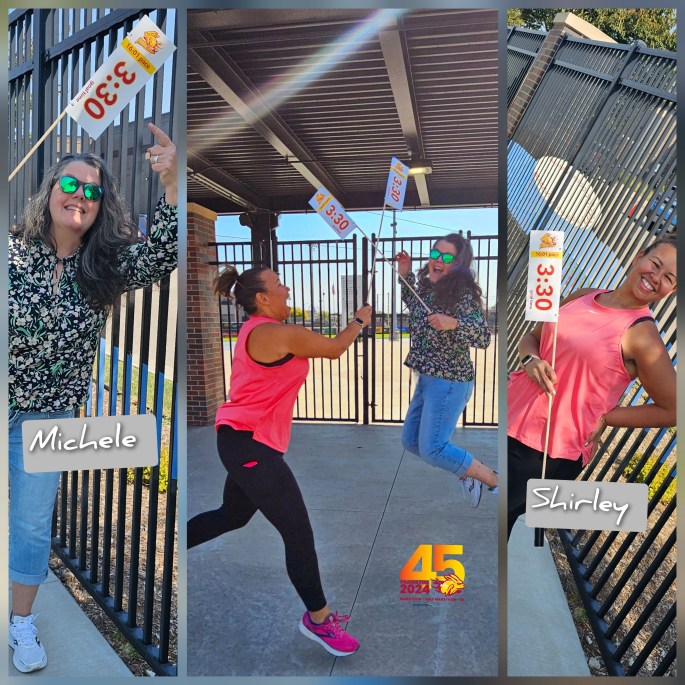
Whether you’re aiming for a personal best or just to finish strong, pacers offer the motivation and guidance you need. In this blog post, Run Wichita introduces first-time pacers Michele Davis and Shirley Pitts Wanjau, who will be leading the “slow and steady” group for the Prairie Fire half marathon’s 3:30 goal time. These dedicated ladies plan to ensure every runner feels supported and motivated.

RW: What inspired you to start running?

Michele: My wonderful husband! In October 2015, he wanted to join a running group and kindly asked me to come with him to the meeting, so I’d understand how much time he’d be putting into it. At the meeting they mentioned a walking group, and I was quickly hooked. By January 1st, 2016 I was running my first half marathon, “The Hangover Half.” As of today, I’ve completed about 10 or so half marathons, I think. Running has been such a glorious journey for me that it all runs together, like one long dance party!

Shirley:  I started running 10 years ago. I wanted to show that fat girls can run too! We may be a little slower, but we can run! It was also for health reasons. My doctor said I needed to lose weight to have a baby, and I successfully met that goal. To date, I’ve completed four half marathons.

RW: What inspired you to become a race pacer?

Michele: My running friend, Shirley. She’s so encouraging and has such a positive attitude. I can’t imagine I would have ever done anything like this without her support.

Shirley: During my first half marathon, I was probably third from the last and wanted to cry because I was all by myself. There was nobody around for miles. I ended up going in the wrong direction until someone caught me and turned me around. When I finished the race, there was no one there to cheer for me except my husband and the race workers and volunteers who had to be there. It was that loneliness that inspired me to reach out to Prairie Fire and persistently pursue a 3:30 pacer, because there’s never been one. 

RW: Why is this particular pace important to you?

Michele: My mom would sometimes drive into town, park a few miles from work, and walk to work. People would stop and ask if they could give her a ride. She’d say, “No, thank you. I’m out here for the health of it!” I hope I can inspire others who might like to run just for the health of it, not for a trophy. It’s also nice to be towards the back of the pack in case anyone gets hurt, so I can help.

Shirley: When I first started running, I was doing a 17-minute mile. I have since dropped it all the way down to a personal record of a 12-minute mile during one of the Exploration Place Parkruns. I am putting all that work aside for now because leading a slower pace for others is so important to me.

RW: How do you prepare both physically and mentally for pacing a race?

Michele: Consistency is the key to training. This will be my first time pacing, so I’m very nervous. I hope the morning of the race I can be calm and simply trust all the work I put into it. It will be strange having people rely on me for a pace, though. 

Shirley: Consistency is key. Also, surround yourself with likeminded people who, when you’re feeling your lowest, will push you through. This is important, because there ARE going to be days when you’re NOT going to want to do this.

RW: What’s the biggest challenge you’ve faced while training to be a pacer, and how did you overcome it?

Michele: Getting up at 4:30am so frequently to train! Ugh! The big smile on the face of my running friend, Shirley, every morning is the only way I was able to overcome that struggle.

Shirley: Pacing isn’t a challenge for me; that just comes naturally, because I’ve always been slow and steady. The challenge for me was consistency, and that’s when surrounding myself with like-minded people helped. I found people who ran the same pace as me, and we formed our group, (Slow and Steady), to keep all of us accountable. It gave us partners who ran the same pace as us, so we wouldn’t keep being left behind. 

RW: What advice would you give to someone considering running their first half marathon?

Michele: Be consistent with your training. On race day, try your best to be calm and don’t get caught up with people who run faster than you. Starting off too fast is the worst thing… just the worst.

Shirley: Running doesn’t discriminate. Running is all sizes, all colors, all shapes, all paces. It is running straight through or at intervals. Walking is a tremendous accomplishment as well. Be YOU, and just show up! 

RW: What are you most looking forward to as a pacer for this race?

Michele: Supporting the people who are relying on me, to the very best of my ability.

Shirley: When the 3:30 group passes that finish line, it will be official that the Prairie Fire Half Marathon has 3:30 race pacers. It will be an acknowledgment that 3:30 runners are SEEN – that we deserve to be here.

Conclusion:

Run Wichita appreciates Michele and Shirley’s dedication to the local running community, especially for slower-paced runners. They demonstrate that leading with patience and consistency is truly rewarding.

If you consider yourself a slow and steady runner, remember to look for Shirley and Michele at the Fall Prairie Fire race on Sunday, October 13th, 2024.
For more information about the race, visit prairiemarathon.com.

Remember, every runner’s journey is unique, and there’s no shame in seeking help to make your race day memorable and enjoyable. So, lace up your shoes, find your pacer, and let them lead you to the finish line with confidence and pride. Happy running!

Join Us as a Volunteer at the 45th Prairie Fire Marathon

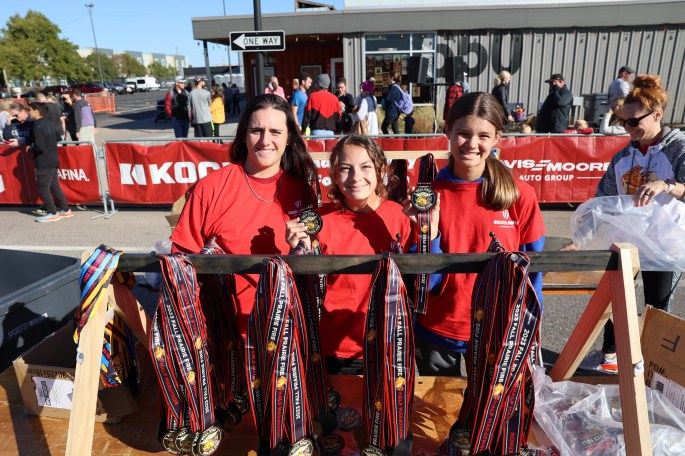
We are thrilled to announce that the 45th Prairie Fire Marathon (presented by Davis-Moore) is just around the corner, and we need YOU to make it a success! This year, runners from 40 states will participate in either the Mayor’s Friendly 5k, half marathon or full marathon, with nearly 1500 local participants joining. If you’re not one of the participants, volunteering is a great way to support this national event in our community.

Why Volunteer?

Volunteers have a significant impact on our events. They provide continuous energy, communication and sometimes hope for runners. For many, it’s their first time participating in a race of this distance. Whether it’s a 5k (3 miles), half marathon (13.1 miles) or a marathon (26.2 miles), a volunteer’s words of encouragement provide energy, comfort and hope to keep moving.

Volunteer Roles

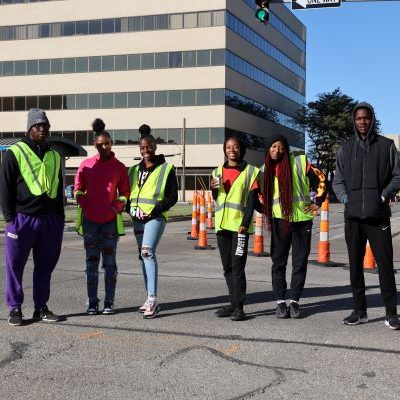
The greatest need is for Course Monitors. These volunteers will be positioned at intersections and key points along the course to keep the runners safe, guide them in the right direction, and cheer them on.

Other priority volunteer opportunities include:

  • Packet Pickup & Registration: Distribute bibs and t-shirts to runners and help with registration the day before the race.
  • Start Line Setup: Help set up the start/finish line including fencing, water barrels and signage.
  • Start Pacer Signs: Help organize runners by pace and hold up signs with designated paces. After race starts, help with other tasks as needed.
  • Water Stations: Keep our runners hydrated and motivated throughout 9 water stations.
  • Finish Line Medical: Part of the medical team at the finish line to help runners after the race. Shirts provided by Select Physical Therapy.
  • Post Race Start/Finish Pickup: Help clean up the Start/Finish line, take down fencing, empty water barrels, put items into storage.

How to Sign Up

Signing up is easy! Simply click here to be taken to the Volunteer Registration Page and select one of the tasks listed above or any other opportunity listed. Basic computer knowledge is required for registration and packet pickup, but the team will provide all the necessary support to ensure you are prepared for your role. Most shifts are no longer than 4 hours. Volunteers must sign up by October 10.

Perks of Volunteering

All volunteers receive a shirt and 50% discount on another Prairie Fire or Turkey Trot event in the next year. Non-profit groups, college and high school organizations receive $10 for each volunteer.

Join the Fun!

Volunteering at the marathon is not just about helping out; it’s about being part of a vibrant community event. You’ll get to experience the excitement of race day, cheer on the runners, and make new friends along the way.

Don’t miss out on this incredible opportunity to be part of something special. Sign up today and help us make this year’s race series the best one yet!

For more information, please visit prairiefiremarathon.com.

We can’t wait to see you there!

Exploration Place Parkrun: A Free 5k Event Promoting Community and Well-being

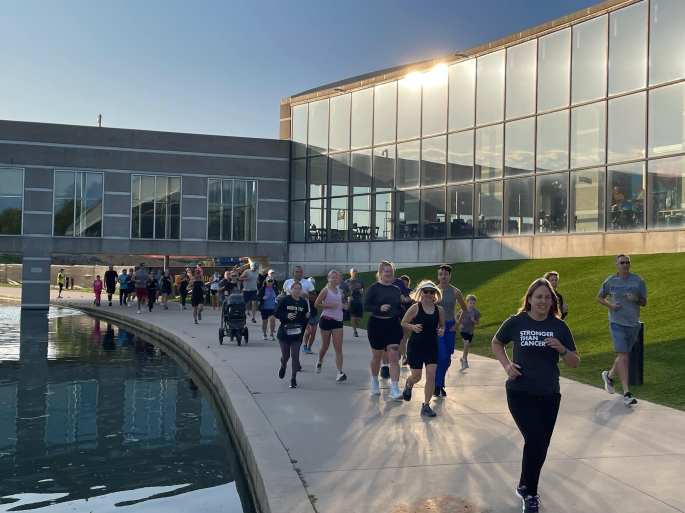
Every Saturday morning, dozens of runners, joggers, and walkers of all ages gather together for the Exploration Place Parkrun. It’s a weekly timed 5km distance that’s part of an international movement encouraging people to lace up their shoes and move towards a happier and healthier lifestyle.

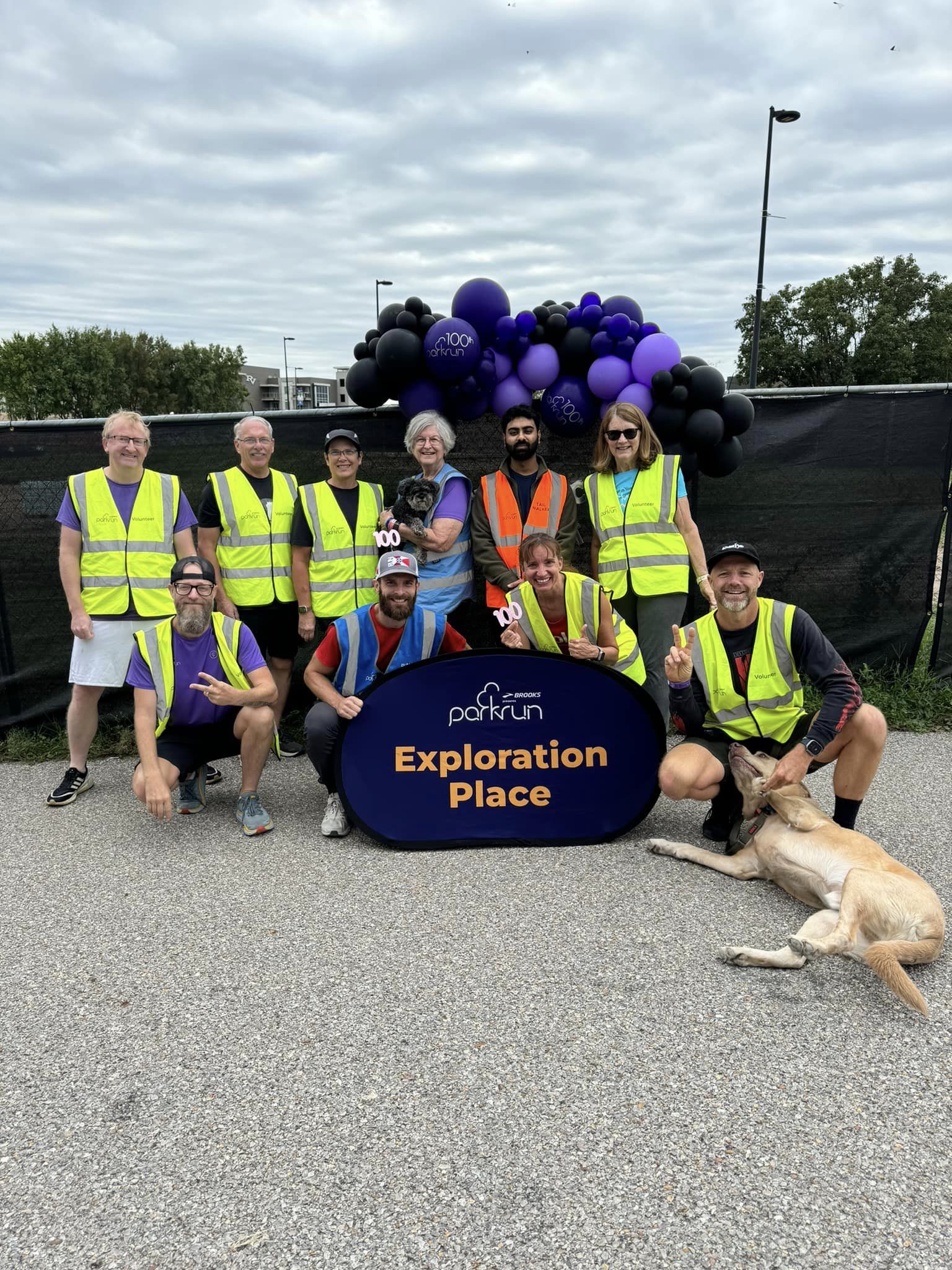
At each event, you’ll find runners and walkers, some pushing strollers, others with their dogs, all enjoying a picturesque course that follows the river, over the Keeper bridge, and back to the museum. The Exploration Place Parkrun recently celebrated its 100th run and will soon celebrate its second anniversary! Since its launch, we’ve seen the following:

  • Weekly average participants of 72
  • 15 of the past EP Parkruns have had more than 100 participants
  • 2,234 total registrations
  • 1,580 total participants
  • 7,103 total 5k finishes
  • 168 unique volunteers
  • 1,165 total volunteer occasions
  • Top five zip codes by registrations: 67203, 67212, 67205, 67226, 67208
  • Top five zip codes by number of 5k finishes: 67203, 67212, 67218, 67226, 67205

What exactly is a parkrun and why is it so popular?

Parkrun is a free, community event where you can walk, jog, run, volunteer, or spectate. The 5k (3.1 miles) event takes place every Saturday morning at various locations worldwide. It’s a positive, welcoming, and inclusive event with no time limit, ensuring no one finishes last.

Parkrun began in October 2004, founded by amateur club runner Paul Sinton-Hewitt in London, England. After an injury sidelined him from running, Paul organized a 5k time trial as a casual get-together with friends. Today, parkrun has expanded to over 2,300 locations in 22 countries, from the UK to Eswatini, Norway to New Zealand, spanning five continents.

Is it free to attend?

YES! Parkruns are free to attend, but it is recommended thatyou register to keep track of your runs, jogs, walks, or volunteering. Visit parkrun.us/register for more information.


Why is Parkrun good for you?

Participating in a weekly parkrun is beneficial for both physical and mental well-being. Walking, jogging or running helps improve cardiovascular health, build endurance, and maintain a healthy weight. Beyond the physical benefits, parkrun fosters a sense of community and belonging, offering a supportive and inclusive environment where everyone is welcome, regardless of fitness level. The social interaction and camaraderie can boost mood, reduce stress, and enhance overall mental health. Plus, the opportunity to volunteer or simply spectate allows for meaningful engagement and connection with others.

How to find other Parkruns when you travel?

You don’t have to skip a parkrun while traveling! With 74 parkruns across the United States, there’s likely one near your destination. Visit the parkrun.us website to use the events map or search box to find a nearby event. You can also download the free parkrun app, available for both iPhone and Android.

Come celebrate with us!

Save the date for the second anniversary of the Exploration Place Parkrun on Saturday, September 21 at 8:00 am. If you haven’t experienced a parkrun yet, this is the perfect opportunity to join in! Invite a friend and join the fun!

Running Doesn’t Have a Body Type

Running is a sport that welcomes everyone, regardless of shape, size, or fitness level. Yet, the stereotype of the “ideal runner’s body” often overshadows the diverse reality of who runners truly are. It’s time to embrace and celebrate all types of bodies in the running community.

The notion that only lean, muscular bodies can excel in running is outdated and can discourage many from even starting their running journey. The truth is, runners come in all shapes and sizes, each bringing their unique strengths and stories to the sport.

The Power of Diversity

Diversity in the running community enriches the sport. It shows that running is not just about speed or distance but about personal growth, health, and enjoyment. When we see runners of all body types, we are reminded that the ability to run is not confined to a specific look. In our local running groups and on our trails and paths, you are sure to meet a variety of runners with inspiring stories who defy stereotypes. From plus-size athletes completing marathons to older adults who started running later in life, these stories are proof-positive that the only requirement for being a runner is the desire to run.

Health Over Appearance

Running also offers numerous health benefits that are accessible to everyone. It improves cardiovascular health, boosts mental well-being, and fosters a sense of accomplishment. Focusing on these benefits and the love of the sport helps create a more inclusive and supportive environment.

Stopping Negative Thoughts

Running is a fantastic way to stay fit and clear your mind. But if we’re being honest, sometimes negative thoughts about your body can creep in and dampen the experience. Here are four strategies to help you stay positive and focused during your runs:

1. Focus on Your Breathing

When negative thoughts start to surface, shift your attention to your breathing. Concentrate on maintaining a steady and rhythmic pattern. This not only helps improve your running efficiency but also diverts your mind from unhelpful thoughts.

2. Set Clear Goals

Having a clear purpose for your run can be incredibly motivating. Whether you’re running to improve your fitness, relieve stress, or train for an event, reminding yourself of your goals can keep you focused and positive. Celebrate small milestones along the way to boost your confidence.

3. Use Positive Affirmations

Replace negative thoughts with positive affirmations. Instead of thinking, “I can’t do this,” tell yourself, “I am strong and capable.” Repeating positive statements can help build a more resilient and positive mindset, making your runs more enjoyable.

4. Listen to Music or Podcasts

Distracting yourself with your favorite music or an engaging podcast can make a huge difference. Create a playlist of upbeat songs or find a podcast that interests you. This can help keep your mind occupied and away from negative thoughts, making your run feel shorter and more enjoyable.

Do you have any favorite techniques or mantras that help you stay positive while running?

Remember, if you run, you are a runner—no matter what your body looks like.

Free Running Shoes for XC Athletes

To celebrate the upcoming cross-country season and support young runners, Run Wichita and Fartleks Running Shop have partnered to host a two-part Free Running Shoe Giveaway event!

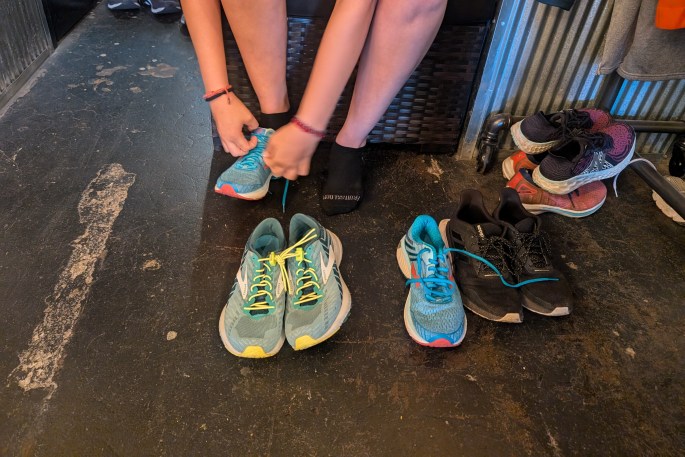
During our first giveaway event on August 4th, close to 30 students from Wichita and surrounding cities came in to Fartleks to receive a free pair of gently used running shoes. Members of the Run Wichita board were on hand to help sort the shoes and provide guidance to the students on proper fit.

There’s still time to get involved. Here’s everything you need to know:

Why We’re Doing This

Run Wichita believes that every athlete deserves the best gear to perform at their peak. Running shoes are crucial for preventing injuries and enhancing performance, and we want to ensure that these young runners have access to quality footwear.

Who Can Participate?

This giveaway is open to all high school cross country athletes in Wichita and surrounding areas. Whether you’re a seasoned runner or just starting out, we want to support your journey.

How to participate and support:

  • Students in need: Our next giveaway event will be at Fartleks Running Shop on Friday, August 16 from 5 – 7 p.m.
  • Donations: If you would like to donate gently used running shoes, please drop them off at Fartleks. We especially need larger sizes for women and smaller sizes for men.

Thank you to everyone who has supported this giveaway. Let’s continue to help our local students have an amazing cross-country season and support their running journeys!

For questions or more information, contact Karlee Rose, president of Run Wichita, at kdrose18@yahoo.com.